••
Ecologist Mira Grönroos Highlights Immune-Boosting Health Benefits of Direct Contact with Nature and Soil
•2 min read•1 source
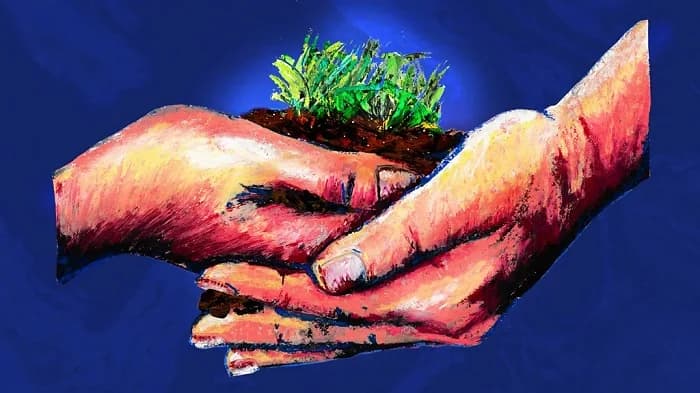
Recent research highlighted by ecologist Mira Grönroos reveals a profound connection between regular physical interaction with nature and significantly improved human health. The study indicates that engaging with natural elements like soil, trees, and plants can bolster the body’s immune system and enhance skin health within just a few weeks. This process occurs as beneficial microbes from the environment are transferred to the skin, creating a diverse biological shield that prevents harmful bacteria from thriving. These findings suggest that the modern push for overly sterile environments may be inadvertently weakening natural human defenses.
The core of this health boost lies in the skin's microbiota. According to Grönroos, simple actions such as touching tree bark, gardening, or even playing in the dirt facilitate a microbial exchange that is essential for physical well-being. By increasing the diversity of microbes on the skin, individuals can better protect themselves against various pathogens. This research provides a scientific basis for the "hygiene hypothesis," which posits that limited exposure to natural germs and bacteria in early life and adulthood can lead to an increase in immune-related conditions and allergies.
Practical observations at the Aurinkolinna daycare center support these claims, showing that children who regularly play in natural soil and greenery exhibit markedly better skin health and immune function than those in more urbanized settings. These benefits are not exclusive to children; adults who participate in gardening or use microbially diverse soil also see measurable improvements in their health. The study emphasizes that environments rich in biodiversity serve as a natural training ground for the human immune system, helping it to distinguish between harmless environmental factors and genuine threats.
Ultimately, the research encourages a fundamental shift in how society views dirt and the outdoors. While modern lifestyles often prioritize cleanliness and the avoidance of mess, the biological evidence suggests that fostering regular contact with the natural world is vital for long-term health. By reintroducing natural elements into daily routines—whether through urban gardening or outdoor play—individuals can significantly enhance their physical resilience. The long-term health rewards of getting one's hands dirty far outweigh the minor inconvenience of a bit of mud, making nature exposure a simple yet powerful tool for public health.