••
Ecologist Mira Grönroos Leads Research Showing How Nature Contact Boosts Skin Health and Immunity
•2 min read•1 source
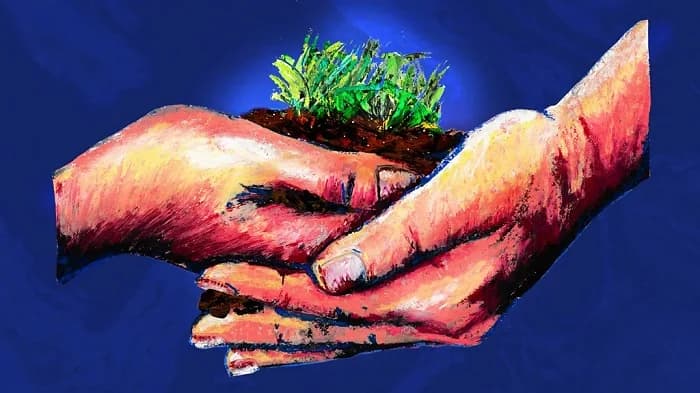
Recent research has highlighted a significant link between regular contact with natural elements and the enhancement of human health. Studies led by ecologist Mira Grönroos demonstrate that interacting with soil, trees, and plants can significantly boost skin microbial diversity and strengthen the immune system within just a few weeks. By engaging with the biodiversity found in natural environments, individuals can foster a healthier microbiome, which serves as a primary defense mechanism against harmful bacteria and environmental stressors.
One of the most striking findings of the research is that even brief interactions with nature can produce measurable results. According to the study, simply rubbing one's hands in soil for as little as 20 seconds can noticeably increase the presence of beneficial microbes on the skin. In Finland, the Vahvistu project is further exploring these concepts by observing children in nature-rich playgrounds. At the Aurinkolinna daycare, researchers noted that children who regularly play in the dirt exhibit improved skin health and more robust immune function compared to those in more sterile environments.
Beyond childhood development, the benefits of nature exposure appear to be universal, extending to adults as well. Gardening with microbially diverse soil has been identified as an effective way for adults to maintain their well-being and diversify their skin microbiota. The research suggests that environments rich in biodiversity are essential in combating a variety of modern immune-related conditions. Specifically, exposure to the diverse microbes found in natural settings may help reduce the risk and severity of chronic conditions such as asthma and eczema.
Ultimately, these findings encourage a shift in perspective regarding cleanliness and nature. While modern urban living often prioritizes sterile environments, the research indicates that the health benefits of "getting your hands dirty" far outweigh the inconvenience of a little mess. Fostering regular contact with the natural world is increasingly seen not just as a leisure activity, but as a vital component of preventative healthcare. As scientists continue to uncover the complexities of the human microbiome, the integration of natural elements into daily life remains a key strategy for enhancing long-term well-being.