••
Minority Caucus files motion for inquiry into $1.7bn gold purchase loss
•2 min read•1 source
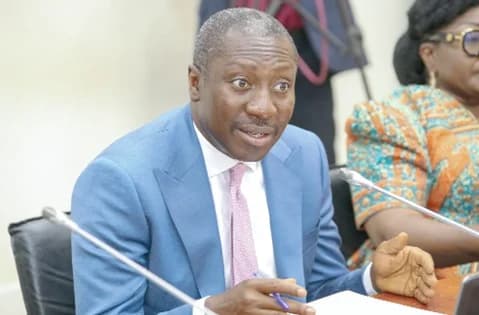
The Minority Caucus in Parliament has filed a formal motion demanding a thorough inquiry into a reported $1.7 billion loss incurred by the Bank of Ghana (BoG) under its gold purchase program. The caucus, led by Minority Leader Alexander Afenyo-Markin, cited a recent International Monetary Fund (IMF) report that flagged the substantial financial shortfall during the 2025 fiscal period. Lawmakers insist that the scale of the loss necessitates full transparency regarding the management of public funds and the central bank's procurement strategies.
Afenyo-Markin criticized attempts to distance the Bank of Ghana's core operations from the accounts of the Ghana Gold Board, arguing that such distinctions are irrelevant to the taxpayer who ultimately bears the cost. He asserted that the $1.7 billion deficit represents a significant economic blow that cannot be dismissed as a minor accounting variance or a personal dispute. The Minority emphasized that the public has a right to know how procurement decisions were made and who must be held accountable for the resulting fiscal gap.
Beyond the financial implications, the Minority Caucus expressed grave concerns about the ethical and security dimensions of the gold purchase program. They called for an investigation into the sources of the gold to determine if the program has been inadvertently supporting illegal mining operations. Furthermore, the caucus raised alarms about potential links between the gold trade and broader national security issues, specifically citing concerns regarding the rise in narcotics trafficking.
This new motion follows previous attempts by the Minority to investigate the program, which were met with resistance from the Majority. By renewing the call for a parliamentary probe, the opposition aims to compel the legislative body to exercise its oversight function more rigorously. The caucus maintains that a failure to investigate a loss of this magnitude would undermine public trust and the country's financial stability.
Live rates
Ghana gold price →