••
Ministry of Education Acts to Avert Teacher Strike and Restore Faith-Based Representation on GES Council
•2 min read•2 sources
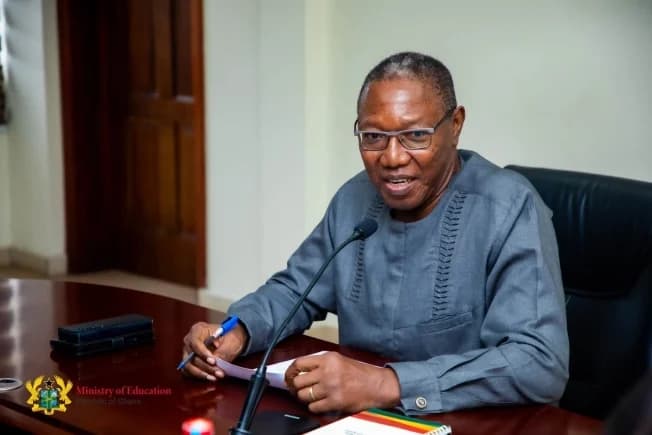
The Ministry of Education has initiated a series of strategic interventions aimed at ensuring industrial harmony and inclusive governance within Ghana’s educational sector. Central to these efforts is a high-stakes meeting scheduled for August 31, 2026, with the leadership of various teacher unions to address an impending nationwide strike threat. Simultaneously, the Ministry has announced plans to amend the Pre-Tertiary Education Act, 2020, to restore broader representation for faith-based organizations within the Ghana Education Service (GES) Council.
The upcoming dialogue with teacher unions follows an ultimatum issued by labor leaders over persistent delays in upgrading newly promoted teachers to their correct salary scales. Tensions have been exacerbated by a recent administrative directive requiring teachers to submit additional documentation for promotions, a move unions argue has caused unnecessary delays in pay adjustments. Deputy Minister for Education, Dr. Clement Apaak, has emphasized the government's commitment to resolving these grievances, urging the unions to remain calm and prioritize dialogue over industrial action to avoid negative impacts on students.
In another significant policy shift, the Ministry is addressing long-standing grievances from religious bodies regarding their influence in educational management. Following formal concerns raised by the Ghana Catholic Bishops’ Conference, the government intends to revise the Pre-Tertiary Education Act, 2020. The current legislation reduced faith-based representation on the GES Council to just one seat, a sharp decline from the three representatives permitted under the previous 1995 Act. By ensuring all recognized faith-based organizations are adequately represented, the Ministry aims to honor the historic partnership between the state and religious institutions in providing quality education.
These dual developments reflect a broader administrative effort to foster collaboration and stability across the sector. By tackling the technicalities of teacher remuneration and the structural inclusion of key stakeholders, the Ministry of Education is signaling a return to a more consultative framework for national policy. The outcome of the August 31 meeting will be a critical litmus test for the government's ability to manage labor relations and maintain the integrity of the academic calendar under the current administration.
Related topic
Ghana Education Service (GES): Latest News Today →

