••
Minerals Commission to safeguard mineworkers' wages in contract mining shift
•2 min read•1 source
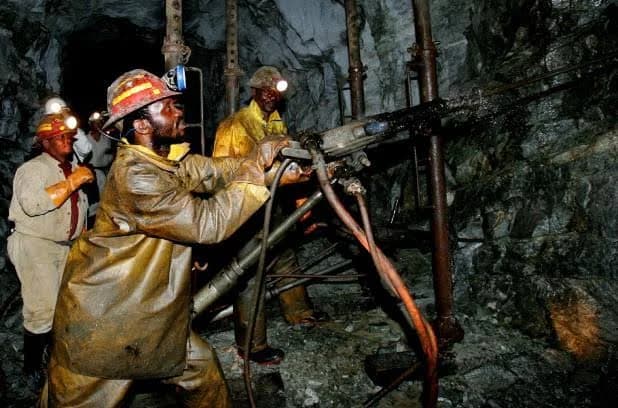
The Ghanaian government has issued a directive to the Minerals Commission to protect the wages and benefits of mineworkers as the industry shifts from owner-operated models to contract mining. This move, announced on October 21, 2026, aims to prevent the erosion of income for local workers during this structural transition. The government has set a firm deadline of November 30, 2026, for the full implementation of these protective measures across the mining sector.
The decision follows formal concerns raised by the Ghana Mineworkers’ Union, which warned that the transition to contract-based operations could lead to significant income losses for employees. Under the new mandate, the Minerals Commission must ensure that workers employed by contractors receive wages and benefits comparable to those previously enjoyed by staff in owner-operated mines. This initiative is designed to maintain living standards and labour stability as mining companies increasingly outsource core operations to third-party firms.
Beyond immediate wage protection, the Minerals Commission has been tasked with standardising salaries across the industry to ensure equity and transparency. These reforms are integrated into a broader local-content policy aimed at maximising Ghanaian participation in the extractive sector. By regulating how contract mining firms manage their workforce, the government intends to ensure that the economic benefits of the nation's mineral wealth are shared fairly with the workers directly involved in extraction.
Despite the clear mandate and the November 2026 deadline, industry observers have noted potential challenges regarding enforcement and the prevention of worker exploitation. As the reforms roll out over the coming year, the focus will remain on whether the Commission can effectively monitor a diverse range of contractors to uphold these standards. The success of the policy will be measured by its ability to protect the livelihoods of thousands of Ghanaians employed in the mining industry during this period of industrial change.


