••
Israeli Minister Moves to Revoke Filmmakers' Citizenship as Political Fallout Over Gaza Conflict Intensifies in Global Entertainment
•3 min read•3 sources
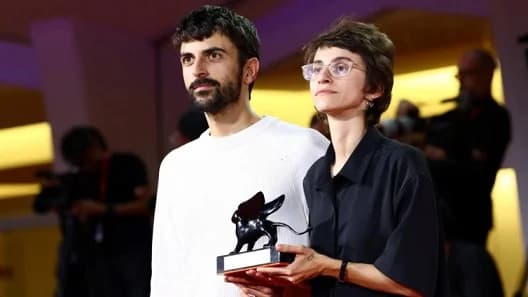
Israel’s Culture Minister, Miki Zohar, has sparked an international outcry by demanding the revocation of citizenship for Yuval Abraham and Rachel Szor, the award-winning co-directors of the documentary "Naza." Zohar has accused the filmmakers of treason following the film's premiere at the Venice Film Festival, where it received a 25-minute standing ovation. The documentary features interviews with Israeli military officers discussing the use of artificial intelligence in targeting systems during the conflict in Gaza—a conflict that has reportedly resulted in over 73,000 Palestinian deaths since the October 7, 2023, Hamas attacks. Zohar contends that the film’s portrayal of the Israeli Defense Forces (IDF) is false and detrimental to the nation’s reputation, prompting his request for an investigation into its production.
The minister’s move is based on provisions in Israel’s Citizenship Law regarding a "breach of allegiance." While the IDF has rejected the film's allegations of mass civilian killings, the filmmakers have found significant support within the global creative community. More than 700 film industry professionals have signed a statement advocating for the film’s right to be screened and discussed, rather than silenced. They have characterized Zohar’s remarks as a "campaign of incitement" intended to censor critical perspectives on military ethics and wartime strategies. This domestic tension highlights the increasing legal and social pressure faced by Israeli citizens who publicly criticize the state's military operations.
Parallel to the controversy in the film world, the music industry is grappling with its own wave of political repercussions. American rapper Macklemore was recently dropped from Ed Sheeran’s upcoming U.S. tour following pro-Palestinian statements made during his live performances. The rapper notably declared "Free Palestine" during concerts at venues such as the MetLife Stadium in New Jersey, sparking immediate backlash from Jewish advocacy groups, including StopAntisemitism, and influential figures like businessman Robert Kraft. Macklemore has confirmed his removal from the tour, stating that despite the professional fallout, he believes speaking out on the humanitarian crisis is a moral necessity.
The removal of Macklemore from a high-profile tour underscores the growing sensitivity and potential for professional blacklisting within the entertainment sector regarding the Israel-Palestine conflict. Reports indicate that several tour venues expressed concerns about potential security issues or protests, forcing promoters to choose between maintaining the tour's schedule and supporting the artist's right to political expression. Macklemore has criticized the move as an attempt to silence dissent, echoing the sentiments of the "Naza" filmmakers who argue that artistic work should serve as a catalyst for difficult conversations rather than a trigger for state-sanctioned punishment.
These developments signify a deepening divide over freedom of speech and the ethics of political activism in the arts. As the Israeli government seeks to use citizenship laws as a tool for political discipline, and corporate entertainment entities in the West distance themselves from vocal critics of the war, the boundaries of acceptable discourse are being aggressively redrawn. The outcome of the investigation into Abraham and Szor, alongside the continued professional shifts for artists like Macklemore, will likely set a significant precedent for how dissent is handled in both democratic states and the global cultural marketplace.