••
Microsoft barred from H-1B visa program over hiring fraud claims
•2 min read•1 source
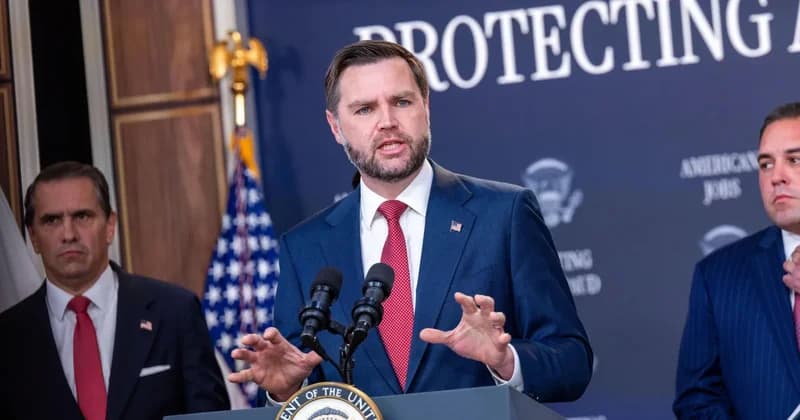
The United States government has officially barred Microsoft and several other major technology firms from participating in the H-1B visa program, following allegations of hiring fraud and systemic misuse. Vice President JD Vance announced the move, accusing the companies of prioritizing foreign labor over American citizens. The restriction specifically targets the processing of new Permanent Labor Certification (PERM) applications, which are a critical step for international workers seeking to transition to permanent residency.
Vice President Vance highlighted a perceived contradiction in Microsoft's corporate strategy, pointing out that the firm had filed numerous H-1B visa applications despite simultaneously implementing significant domestic layoffs. Vance argued that the program was being used to replace established American staff with foreign labor, rather than its intended purpose of filling specialized skill gaps that cannot be met by the local workforce. These allegations have sparked a broader debate about the integrity of the visa system within the technology sector.
Microsoft has defended its hiring practices, asserting that the majority of its visa applications were intended for existing employees who were already part of the organization. The company further stated that these international workers receive compensation equivalent to their American counterparts, denying any attempts to undercut wages or displace local staff. However, the White House remained firm in its decision to pause the processing of new certifications until the fraud allegations are thoroughly addressed.
In a notable juxtaposition, the announcement coincided with an event at the White House where Microsoft CEO Satya Nadella was presented with a medal for technology innovation. While Nadella was recognized for his contributions to the industry, Vance used the platform to continue his critique of the company's labor policies. This development signals a tightening of oversight on how Silicon Valley giants manage their global workforce and could have lasting implications for the recruitment strategies of major tech firms operating in the United States.