••
Malta's High Commissioner Ronald Micallef Proposes Strategic Ghana-Malta AI Partnership at One Vecta Africa AI Week
•2 min read•1 source
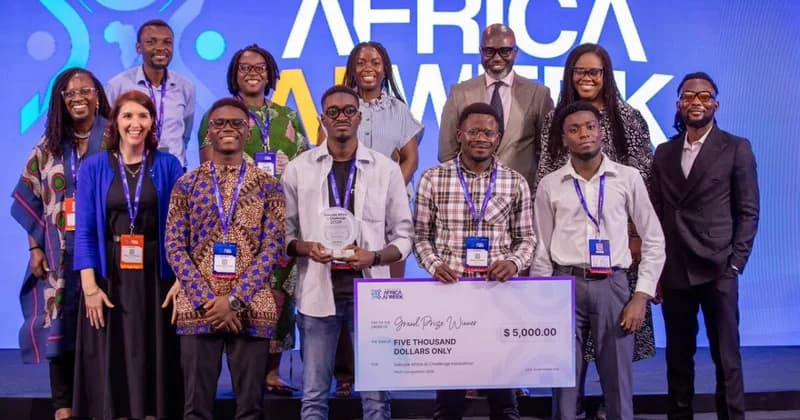
Malta's High Commissioner to Ghana, Ronald Micallef, has proposed a "forward-looking" partnership in artificial intelligence (AI) between Malta and Ghana during the One Vecta Africa AI Week 2026 in Accra. Micallef envisioned a structured dialogue that brings together governments, regulators, academic institutions, and the private sector to move beyond abstract discussions toward practical initiatives with measurable outcomes. This collaboration seeks to leverage both nations' digital ambitions to create a more ethical and innovative technological future for the Mediterranean and West African regions.
Central to Micallef’s proposal is the integration of Malta’s established regulatory frameworks with Ghana’s growing tech ecosystem. He highlighted Malta’s national AI strategy and the active role of the Malta Digital Innovation Authority in overseeing emerging technologies. As part of this cooperation, Micallef invited Ghanaian experts and stakeholders to participate in shaping the Sovereign Technology Centre in Gozo. This center is designed for the rigorous research and testing of sovereign technologies, offering a platform where both nations can explore AI applications that maintain data sovereignty and national interests.
A significant portion of the High Commissioner's address focused on the necessity of AI literacy and the preservation of cultural identity. Drawing on the Ghanaian tradition of "Sankofa"—the wisdom of learning from the past—Micallef stressed that AI development must protect local languages and histories. This ethos is reflected in Project ETHICS, a Ghanaian youth initiative that promotes ethical considerations in technology. By aligning AI advancement with cultural values, Micallef argued that the partnership would ensure technology remains a tool for social good rather than a source of cultural erosion.
As Ghana continues to develop its digital infrastructure under the leadership of President John Mahama, the proposed partnership with Malta offers a strategic pathway for international cooperation in the high-stakes tech sector. The next steps involve establishing formal channels for ethical education and innovation sharing that recognize the unique strengths of both countries. By fostering this balanced approach, both nations aim to lead in the development of AI that is not only technologically advanced but also culturally grounded and ethically sound.
Related topic
John Mahama: Latest News & Updates →

