••
Methodist Church and Traditional Leaders Mobilize Against Environmental Destruction and Illegal Mining in Ghana
•3 min read•4 sources
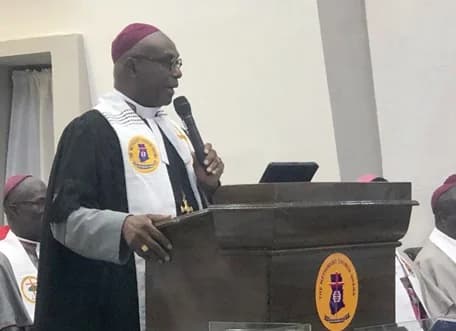
The Methodist Church Ghana, alongside traditional leaders and environmental organizations, has launched a coordinated call for enhanced stewardship to combat the growing threats of illegal mining (galamsey) and climate-induced environmental degradation. Speaking at the 52nd Conference at St. Paul Cathedral in Tema, the Presiding Bishop of the Methodist Church Ghana, Most Rev. Prof. Johnson Kwabena Asamoah-Gyadu, urged the religious community to broaden its mission to include active advocacy for community well-being. He highlighted recent devastating floods and infrastructure failures as clear evidence of inadequate environmental management, stressing that the protection of arable lands and water bodies is both a spiritual and civic necessity as the nation looks toward a more sustainable future.
The urgency of this call is underscored by recent severe weather patterns that have triggered significant power and water outages across Ghana. High rainfall and flooding in Accra have not only caused loss of life and property damage but have also exposed the vulnerabilities of the national grid. In response, there is an increasing push for individual and systemic resilience, including the adoption of solar power and rainwater harvesting to reduce dependency on fragile public utilities. Observers have criticized illegal construction on waterways and poor waste disposal as major contributors to these crises, calling for collective action to improve the nation’s environmental health.
In the Upper West Region, the fight for restoration has taken a practical turn with the launch of a major shea enrichment planting initiative at the Pavuu CIKOD Conservation Site. In a collaborative effort between the Centre for Indigenous Knowledge and Organisational Development (CIKOD), the Lawra Municipal Assembly, and the Global Shea Alliance, over 16,000 shea seedlings are being distributed to restore degraded landscapes. Keynote speaker Pognaa Fati Korey emphasized the need for community-led protection against bushfires and illegal logging. This project aims to empower rural women and youth by transitioning from the export of raw commodities to local agribusiness value addition, ensuring that environmental restoration supports local livelihoods.
Similarly, in the Western Nzema Traditional Area, Awulae Kwasi Amakyi III has declared a firm stance against illegal mining, choosing instead to prioritize the revitalization of the coconut industry. During the Jomoro Development Conference, the Paramount Chief emphasized that Jomoro’s economic future lies in sustainable agriculture rather than the destructive path of galamsey. He advocated for the establishment of local processing factories to add value to coconut products, providing stable economic opportunities for the youth while preserving the region’s natural resources. These multi-faceted efforts from faith-based groups, traditional authorities, and local assemblies signal a nationwide shift toward sustainable land use and environmental accountability.