••
Kylian Mbappé faces backlash in China after calling Mao Zedong a dictator
•2 min read•2 sources
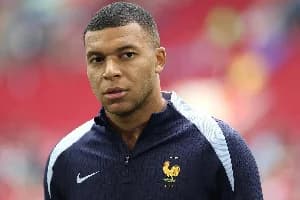
French football star Kylian Mbappé has sparked significant controversy in China after describing the nation's former leader, Mao Zedong, as a "dictator." The remarks, which were reportedly made during a discussion involving internet memes, have triggered a wave of public anger across the country, leading to visible protests against the Real Madrid striker.
In response to the comments, Chinese social media has seen a surge of videos showing disgruntled fans burning Mbappé’s football jerseys and removing his posters from public spaces. In one widely circulated video, a man expressed his profound disappointment, stating that the footballer's remarks showed a fundamental lack of respect for a historical figure who remains deeply revered by many in China. The backlash highlights the high level of sensitivity surrounding the political history and leadership of the East Asian nation.
The situation has also drawn commentary from the Ghanaian football community. Collins Atta Poku, the Chief Executive Officer of Aduana FC, weighed in on the matter, expressing his support for the Chinese public's reaction. According to Atta Poku, the displeasure shown by the Chinese people is justified. He argued that Mbappé’s characterization of Mao Zedong reflects a broader tendency among Western Europeans to diminish or dismiss the leadership and historical contributions of non-European nations.
This incident underscores the complex relationship between global sports icons and the diverse political landscapes of their international fanbases. As professional athletes increasingly engage in public discourse beyond the field, their comments on sensitive historical and political figures can lead to significant commercial and reputational consequences in key global markets like China.
