••
Maxwell Darko Asante calls for local rice mandate in public schools
•2 min read•4 sources
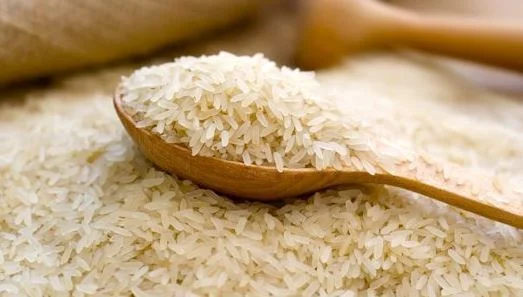
Professor Maxwell Darko Asante, a director at the Crops Research Institute (CRI), has urged the Ghanaian government to strictly mandate the procurement of locally produced rice for state institutions and public boarding schools. Speaking in an interview on November 17, 2026, the leading agricultural researcher described the use of state funds to purchase imported rice as a practice that undermines the national economy and local farmers. He argued that the government should leverage its significant purchasing power to create a reliable and predictable market for domestic growers instead of supporting foreign producers.
Addressing public perceptions that domestic grain is inferior to imported varieties, Prof. Asante asserted that Ghanaian rice possesses genetic quality comparable to imports from countries like Vietnam. He explained that complaints regarding the taste and texture of local rice often stem from incorrect cooking methods. Since Ghanaian rice is typically fresher than imported varieties that have been stored for long periods, it requires less water during preparation. According to Prof. Asante, many consumers fail to adjust their cooking habits, leading to a false impression of poor quality.
The push for a local mandate aligns with proposals in the 2027 Budget, which include plans to amend procurement laws and link rice import licenses to domestic purchase requirements. Under these proposals, importers would be required to buy a specified volume of local rice before being allowed to bring in foreign supplies. Prof. Asante emphasized that such policy shifts, combined with better post-harvest handling and increased investment in the rice value chain, are essential for making local rice more competitive against cheaper imports.
While the Ministry of Food and Agriculture aims for rice self-sufficiency by 2028, some industry stakeholders have raised concerns about the implementation of these policies. Local producer Senyo Hosi cautioned that quota systems must be managed with high transparency to avoid corruption. He called for a robust, traceable system that connects farmers, millers, and importers to ensure the initiative genuinely supports domestic production rather than serving as a loophole for exploitation. Despite these warnings, the focus remains on reducing Ghana's reliance on imported rice to strengthen the agricultural sector and the broader economy.
graphic.com.gh
PrimarybusinessResearcher on how to cook local Ghanaian rice for it to taste better than Vietnamese rice
myjoyonline.com
business'It is criminal to buy imported rice with state funds’ – CRI director demands local boost
myjoyonline.com
businessHow to cook local Ghanaian rice to taste better than imported foreign rice - CRI Director explains
myjoyonline.com
businessDon't turn rice import quota into corruption scheme – Hosi
