••
Mawuleme Movement Joins Over 1,000 Participants for Asogli Te Za Health Walk and Cleanup in Ho
•2 min read•1 source
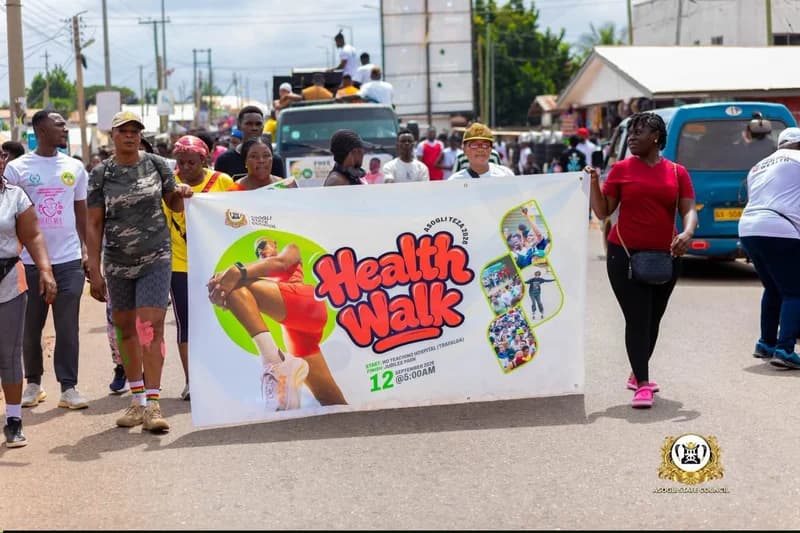
Over 1,000 participants gathered in the Volta Regional capital of Ho for the 2026 Asogli Te Za Health Walk, a vibrant event designed to champion fitness and wellness within the community. Organized as a central pillar of the Asogli Te Za celebrations, the walk saw a diverse group of residents and visitors take to the streets to emphasize the critical role of physical activity in maintaining a healthy society. The event underscored the local commitment to fostering a culture of wellness that extends beyond the festival period, positioning physical health as the foundation for a thriving population.
Beyond the immediate physical benefits of the exercise, the initiative served as a platform for integrated community development. Participants navigated the route through Ho, demonstrating a significant public interest in adopting healthier lifestyles. Organizers and community leaders highlighted that such collective activities are essential for promoting long-term health benefits and building social cohesion. The energy of the 1,000-strong crowd reflected a shared understanding that personal health is inextricably linked to the broader well-being of the community.
A distinctive feature of this year’s walk was the active involvement of the Mawuleme Movement, which focused on environmental sanitation. Members of the movement accompanied the walkers, diligently collecting litter along the entire route to ensure that the exercise did not leave a negative footprint on the city's streets. By integrating a clean-up exercise with the health walk, the group illustrated the profound connection between personal fitness and environmental responsibility. This synergy emphasized the message that a healthy individual requires a clean and safe environment in order to truly flourish.
The day’s activities culminated at Jubilee Park, which served as the primary venue for the event. In a final show of dedication to public hygiene, the Mawuleme Movement and volunteers conducted a thorough cleaning of the park immediately following the conclusion of the walk. This proactive approach to sanitation highlighted the organizers' commitment to maintaining pristine public spaces while encouraging community participation in health initiatives. As the Asogli Te Za celebrations continue, the success of the health walk sets a positive precedent for future community-led programs that combine health advocacy with environmental stewardship.