••
Matilda Asante Asiedu to shape financial inclusion strategy with WIP research
•2 min read•1 source
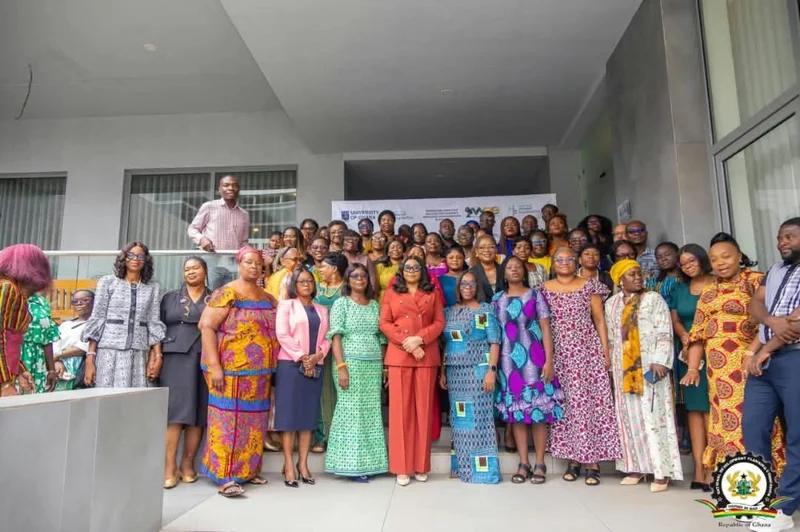
The Second Deputy Governor of the Bank of Ghana, Mrs. Matilda Asante Asiedu, has announced that findings from the Women’s Inclusion Project (WIP) will serve as a foundational pillar for the country’s next National Financial Inclusion Strategy, spanning 2027 to 2031. Speaking at the close-out conference of the Women’s Economic Empowerment Project, Mrs. Asante Asiedu emphasized that the research is vital for creating a financial ecosystem that specifically addresses the needs of women across the country. The WIP research focused on three critical areas: government policy, resource mobilization, and financial inclusion. By analyzing these sectors, the project identified specific gaps in how women access and utilize financial services. Mrs. Asante Asiedu noted that the goal is to move beyond simple inclusion toward a model where financial services actively support economic transformation. This data-driven approach is expected to provide the Bank of Ghana with the evidence needed to design more effective regulatory frameworks. During her address, the Deputy Governor highlighted the significant progress Ghana has already made in expanding access to financial services. However, she pointed out that the qualitative impact on women's lives remains a priority. She called for broader public and private sector discussions on how empowering women economically yields dividends for entire families and the national economy. The research suggests that when women have better control over financial resources, it leads to improved health, education, and stability for their households. Looking ahead, the integration of these research findings into the 2027-2031 strategy marks a commitment to institutionalizing gender-sensitive financial planning. The Bank of Ghana intends to use the insights to refine policy interventions and encourage financial institutions to develop products tailored to women’s unique economic realities. This transition period before 2027 will involve further stakeholder engagement to ensure the new strategy effectively builds on the successes of the Women's Inclusion Project.

