••
Prof. Marylyn Addo urges stronger science journalism to combat misinformation
•2 min read•1 source
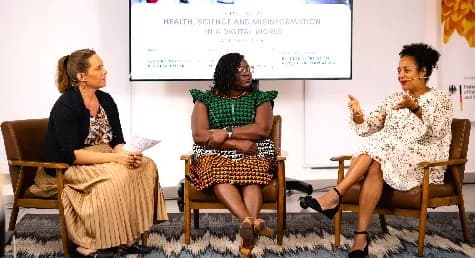
Experts from Ghana and Germany have called for a significant boost in science journalism and the accessible communication of scientific evidence to counter the spread of misinformation on social media. Speaking at a lecture in Accra on October 15, 2026, titled "Fact or Fiction? Health, Science, and Misinformation in a Digital World," participants discussed the growing threats posed by disinformation to public trust in science and medicine. The event served as a platform to highlight how independent, evidence-based reporting is essential for maintaining a healthy society in an increasingly digital landscape.
Prof. Marylyn Addo, a key speaker at the event, warned specifically against the dangers of algorithm-driven misinformation that can rapidly circulate false health claims. She emphasized that independent science journalism acts as a vital buffer, ensuring that the public receives verified information rather than sensationalised or inaccurate content. The experts argued that without a robust framework for science communication, medical institutions risk losing the public trust necessary to manage health crises and routine medical interventions effectively.
Prof. Lydia Mosi advocated for the integration of global scientific efforts with localized community engagement to ensure evidence is trusted at the grassroots level. She noted that local partnerships are essential for promoting trust in scientific evidence, as they allow complex data to be translated into culturally relevant and accessible narratives. This approach aims to bridge the gap between high-level scientific research and the everyday understanding of the general public, particularly in regions where traditional media and digital platforms intersect.
The lecture concluded with a call for stronger international collaboration and increased support for journalists specializing in science and health sectors. The speakers underscored that public health preparedness is deeply linked to effective communication strategies. By empowering journalists and fostering a culture of transparency, the experts believe Ghana can better navigate the challenges of the digital age and protect the integrity of its medical and scientific institutions against the erosive effects of disinformation.