••
Marry Mubaiwa released as Zimbabwe attempted murder case collapses
•2 min read•1 source
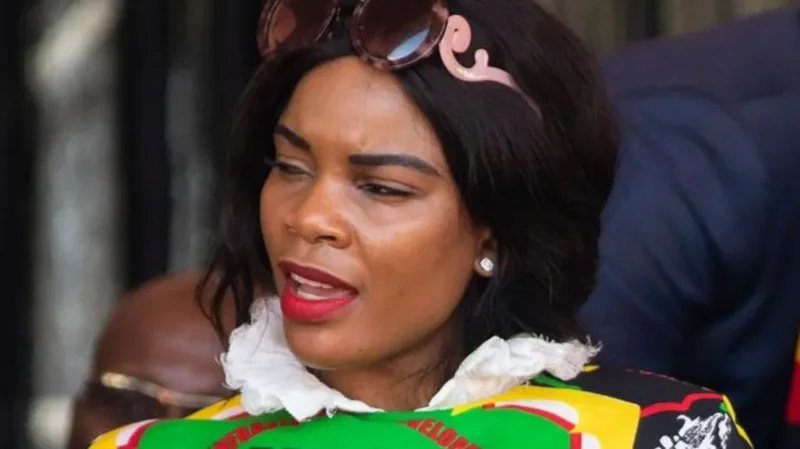
Marry Mubaiwa, the former wife of Zimbabwe’s Vice-President Constantino Chiwenga, has been released from remand following the collapse of a long-running attempted murder case against her. After a seven-year legal battle that began with her arrest in 2019, a magistrate ruled to terminate the proceedings, citing significant violations of her fundamental rights. The decision effectively brings an end to a trial that has drawn intense public interest due to the high profile of the individuals involved and the severe health challenges Mubaiwa faced throughout the process.
The court's ruling was based on the physical, mental, and financial hardships that Mubaiwa endured during the protracted litigation. The magistrate noted that the excessive delays in the trial constituted a breach of her right to a fair and timely hearing. Since being charged, Mubaiwa has suffered from a debilitating health condition that resulted in the amputation of her arm, further complicating her ability to attend court proceedings. Despite these challenges, she was repeatedly denied bail in the earlier stages of the trial, a factor her legal team argued contributed to her deteriorating state.
The attempted murder charges stemmed from allegations that Mubaiwa obstructed Vice-President Chiwenga’s medical treatment while he was hospitalized in South Africa in 2019. Prosecutors claimed she attempted to remove him from his hospital bed and prevent him from receiving life-saving care. However, the trial failed to reach a conviction, with the defense consistently maintaining that the charges were part of a bitter matrimonial dispute. Following the ruling, Mubaiwa’s lawyer hailed the outcome as a significant victory for the rule of law, emphasizing that no citizen should be subjected to such prolonged legal uncertainty.
Speaking outside the court, Mubaiwa expressed a sense of deep relief, describing the decision as an achievement of justice after years of struggle. While the release from remand concludes this specific case, the trial remains a notable point of discussion regarding the intersection of high-stakes politics and the Zimbabwean judicial system. The collapse of the case highlights ongoing concerns regarding the use of the legal system in personal disputes involving state officials.