••
Marie-Celestin Karondwa Buried in Butembo Amid Allegations of Fatal Assault Over Ebola Advocacy
•2 min read•1 source
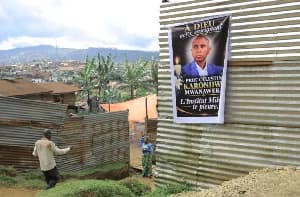
Mourners in the city of Butembo, located in the eastern region of the Democratic Republic of the Congo (DRC), gathered this week to pay their final respects to Marie-Celestin Karondwa, a local political official whose death has sparked significant concern across the region. Karondwa’s passing is not merely a personal tragedy for his family and political associates but serves as a chilling reminder of the volatile environment surrounding public health efforts in the DRC. The funeral was a somber occasion for a community still grappling with the complexities of the Ebola virus and the deadly consequences of misinformation and social polarization.
According to representatives from Karondwa’s political party, the official was brutally beaten to death shortly after a radio appearance. During the broadcast, he had reportedly spoken out in defense of the national government’s strategies and response efforts intended to contain the Ebola outbreak. His party alleges that this public endorsement of health measures made him a direct target for individuals or groups opposed to the government's intervention. While the specific identities of the attackers have not been officially confirmed, the nature of the assault underscores the extreme risks faced by those who advocate for scientific and governmental protocols in areas where trust in authority remains fragile.
The city of Butembo has historically been a flashpoint for resistance against Ebola containment measures. For years, healthcare workers, treatment facilities, and local officials have come under attack from various factions and community members fueled by deep-seated suspicion of outside medical intervention. This latest incident involving Marie-Celestin Karondwa highlights the persistent difficulty of implementing life-saving medical protocols in conflict-prone zones. The intersection of political rivalry and public health skepticism continues to hinder the ability of the DRC to manage recurring outbreaks, often leading to preventable violence and loss of life.
As the community mourns, the international health community and local authorities are left to contend with the chilling effect such violence has on frontline workers. The death of an official for defending a health response sends a dangerous message to those working to eradicate the virus. Moving forward, the DRC government faces the dual challenge of ensuring the physical safety of its personnel while simultaneously working to rebuild community trust. Without a secure environment and a collaborative approach between the state and the local population, the fight against Ebola in eastern Congo will remain a perilous and uphill battle.