••
Malawi motorists face severe fuel shortages at filling stations
•2 min read•1 source
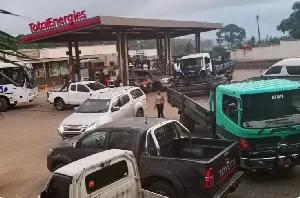
Motorists across Malawi are grappling with a deepening fuel crisis that has paralyzed transportation and caused widespread disruption to the country's daily routines. The severe scarcity of petrol and diesel has resulted in massive queues at filling stations in major urban centers and rural areas alike. Many drivers are now forced to spend days or even entire nights waiting for tankers to arrive, though these deliveries are often insufficient to meet the local demand or fail to appear entirely.
The situation has led to significant social tension, with reports of frustration boiling over into instances of violence at various pumps. As competition for the limited available fuel intensifies, the atmosphere at filling stations has become increasingly volatile. Some motorists have described the situation as having "completely messed up everything," highlighting the profound impact on their personal and professional lives. To secure even a few liters of fuel, individuals are abandoning their homes to sleep in their vehicles, hoping to be at the front of the line when a station resumes operations.
Beyond the immediate inconvenience to drivers, the fuel shortage is having a detrimental effect on the broader Malawian economy. Business operations are being stalled as transport costs rise and the movement of goods becomes unpredictable. The time lost by citizens waiting in queues represents a significant drain on national productivity. While the immediate focus remains on the arrival of fuel tankers to alleviate the pressure, the persistent nature of these shortages suggests a need for more sustainable solutions to Malawi's energy security and supply chain logistics.