••
Malawi cattle farmers travel further for feed as grasslands shrink
•2 min read•1 source
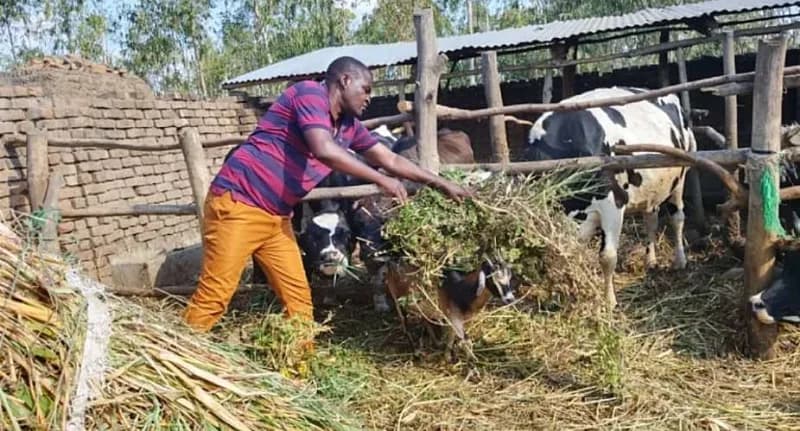
Cattle farmers in Malawi are grappling with a severe shortage of grazing resources, forcing them to travel increasingly long distances to find fodder for their livestock. The crisis, driven by a combination of prolonged drought and environmental degradation, has significantly impacted the livelihoods of those who depend on animal husbandry. In areas surrounding the Likhubula River, once-lush grasslands have shrunk, leaving farmers with few options but to trek for miles to sustain their herds.
The shortage is exacerbated by rising temperatures and the encroachment of cultivation along riverbanks, which has depleted vital natural vegetation. Local farmers, including Lawrence Abison and Macdonald Khandalawo, report that the scarcity of quality feed has led to a noticeable decline in milk production. This drop in output, coupled with the rising costs of sourcing alternative feed, is placing immense financial pressure on livestock owners. Many have been forced to seek out unconventional feed sources, as a poor maize harvest has further limited the availability of traditional agricultural by-products.
The ongoing challenges reflect a broader struggle against climate change and land mismanagement in the region. As grazing lands continue to vanish, the health of livestock is deteriorating, and the economic viability of small-scale farming is being called into question. Without significant shifts in environmental protection or the introduction of more resilient agricultural practices, Malawi's cattle farmers face an uncertain future in a landscape increasingly defined by resource scarcity.