••
Malawi Detains Former Army Chief Over Arms Trafficking as Human Rights Fears Grow for Missing Nigerien Journalist
•2 min read•2 sources
Significant developments in Malawi and Niger have underscored a period of intense scrutiny for military and civic leaders across the African continent. In Malawi, the Anti-Corruption Bureau (ACB) has moved against a high-ranking military figure, while in Niger, international rights groups are sounding the alarm over the prolonged disappearance of a veteran journalist following the country's political upheaval. Both events highlight the volatile intersection of military influence, legal accountability, and the protection of civic freedoms in the region.
On October 12, 2025, Malawian authorities arrested former Army Chief General Paul Valentino Phiri on charges linked to terrorism and illegal arms trafficking. Phiri faces five counts, including abuse of office and dealing in property associated with terrorist activities. The arrest stems from allegations that Malawian military personnel assisted Sudanese rebels in acquiring weaponry, a claim that aligns with unverified U.S. intelligence reports regarding an arms operation involving Sudan. This case is particularly sensitive given the ongoing conflict in Sudan and accusations surrounding international support for paramilitary groups. While the Malawi Defence Force has acknowledged the ACB's inquiry, it has not provided further comment on the specifics of the case.
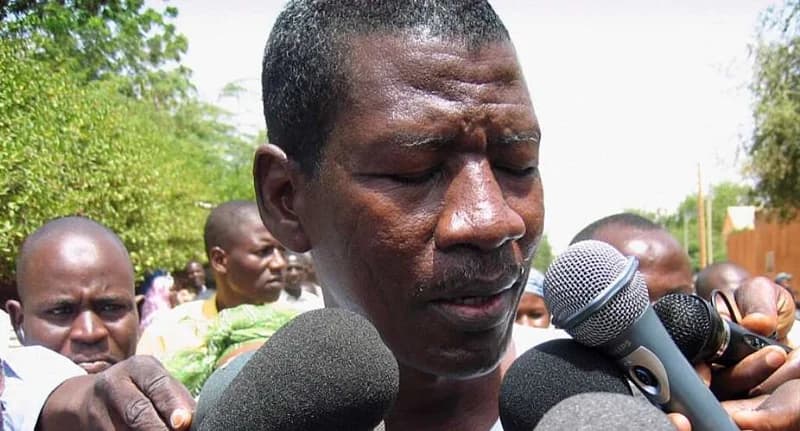
Meanwhile, in Niger, the disappearance of veteran journalist Moussa Kaka has sparked international condemnation. Kaka, a former correspondent for Radio France Internationale (RFI), has been missing for over a month following the July 2023 military coup. Reporters Without Borders (RSF) has raised suspicions that Nigerien military authorities may be involved and is calling for United Nations intervention. Alioune Tine, founder of the Afrikajom think tank, noted that Kaka's disappearance reflects a broader, systematic crackdown on independent journalism and civic freedoms under the current military rule. The deteriorating environment for the press has left many local journalists fearing for their safety as repression increases.
These separate but equally troubling incidents reflect a trend of instability and the potential for human rights violations in nations navigating military governance or regional conflict. In Malawi, the focus remains on whether state institutions were compromised to fuel external wars, while in Niger, the silence surrounding Kaka’s whereabouts serves as a grim indicator of the shrinking space for dissent. Both cases have drawn significant international attention, with observers calling for immediate transparency and the restoration of the rule of law to protect both national integrity and individual liberties.
