••
IFC Managing Director Makhtar Diop to Visit Ghana as Eni and Vitol Secure New Tano Basin Petroleum Agreements
•2 min read•3 sources
Ghana is intensifying its efforts to attract private capital to fuel industrial growth and energy security, highlighted by significant new agreements in the petroleum sector and high-level international engagements. The Government of Ghana, through the Ministry of Energy, has signed Memoranda of Understanding (MoUs) with Eni Ghana and Vitol Upstream Tano Limited to finalize petroleum agreements for offshore blocks GH WB 3 and GH WB 8 in the Tano Basin. This strategic move coincides with a broader national discourse where industry and finance leaders are calling for private capital to take the lead in the country’s green industrial transition, moving away from a reliance on public budgets and donor funds.
The MoUs for the offshore blocks, signed by Energy Minister Dr. John Jinapor, cover an area of approximately 2,100 square kilometers with water depths ranging from 750 to 2,800 meters. These agreements represent a continuation of Eni’s long-standing presence in Ghana since 2009. The company, which currently produces about 40,000 barrels of oil equivalent per day, is committed to enhancing responsible investment in the upstream sector. This expansion is expected to bolster Ghana's energy production capacity while maintaining Eni's focus on community initiatives and sustainable hydrocarbon projects.
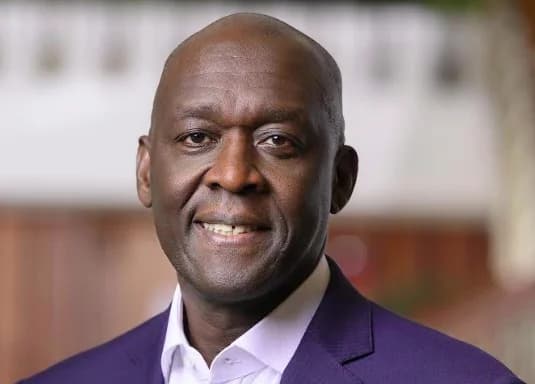
Parallel to these industrial developments, the International Finance Corporation (IFC) is deepening its strategic commitment to the country. IFC Managing Director Makhtar Diop is scheduled to visit Ghana from September 15 to 17, 2026, to engage with government and private sector leaders. Mr. Diop’s visit will focus on mobilizing private investment to enhance national competitiveness and create jobs, with a specific emphasis on agribusiness, education, and renewable energy. His tenure at the IFC has been characterized by a push for financial inclusion and innovative financing solutions to support sustainable, inclusive growth.
The combined push for private sector involvement is supported by experts who argue that Ghana’s climate transition and green finance goals cannot be met by the public sector alone. By creating a more conducive environment for private investment, the nation aims to bridge the funding gap required for sustainable business growth. These developments signal a pivot toward a more private-sector-led economic model, as the government works to balance traditional energy production with ambitious green industrial goals to achieve long-term economic stability.
