••
President Mahama Urged to Intervene in TikToker Case Amid Growing Demands for Judicial and Human Rights Reforms
•2 min read•5 sources
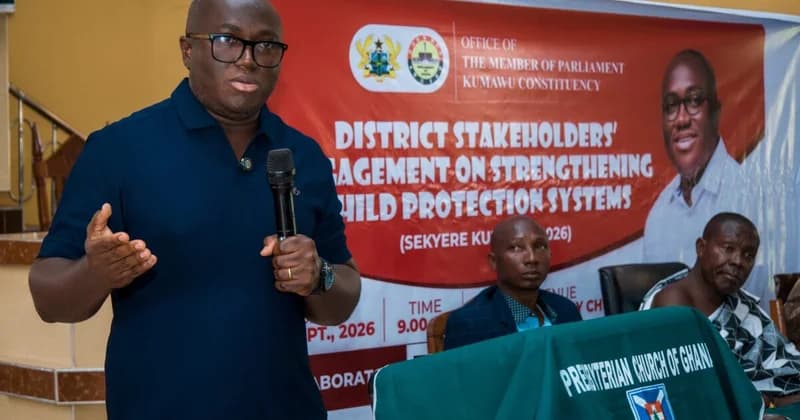
President John Mahama is facing public calls from the political opposition to exercise executive leniency in the case of jailed TikToker Camilla Alhassan. Nana Obiri Boahen, former Deputy General Secretary of the New Patriotic Party (NPP), has publicly questioned why the President has not instructed the Attorney General to withdraw charges against Alhassan, who is serving a one-year sentence for offensive conduct and publishing false news. Despite Alhassan’s guilty plea and subsequent apology, Boahen argued that the President should demonstrate forgiveness, drawing parallels to previous instances where similar leniency was advocated by NPP leadership. This plea for executive intervention coincides with mounting frustration over the state of judicial infrastructure in the Upper West Region, where legal practitioners and state prosecutors have raised alarms over the abandoned multi-million-cedi regional High Court complex. Describing the site as a “cemetery” of unfulfilled promises, stakeholders noted that the project has stalled for two decades, symbolizing significant gaps in the country’s legal system that hinder the efficient administration of justice. While infrastructure and high-profile cases dominate the national discourse, local legislative efforts are intensifying to protect human rights at the grassroots level. Ernest Yaw Anim, the Member of Parliament for Sekyere Kumawu and Chairman of Parliament’s Human Rights Committee, recently convened a major stakeholder meeting to combat child labor and exploitation. In partnership with the International Justice Mission (IJM) and the Commission on Human Rights and Administrative Justice (CHRAJ), Anim urged traditional and religious leaders to take greater responsibility in addressing child exploitation, particularly in areas affected by illegal mining. These domestic developments occur against a backdrop of severe international legal news, as an Egyptian court recently sentenced television presenter Sarah Khalifa and 11 others to death for their roles in an organized drug trafficking syndicate. Khalifa, known for her program “Mission Impossible” and owner of a plastic surgery clinic, was convicted for manufacturing narcotics and possessing unlicensed firearms, with the court seizing over 750kg of drugs and hearing testimony from twenty witnesses. While Khalifa plans to appeal the verdict—which was confirmed after consultation with the Grand Mufti—human rights organizations have noted that the charges do not meet international standards for the death penalty. Collectively, these events underscore a pivotal moment for justice and human rights, placing significant pressure on the Mahama administration to balance legal enforcement with humanitarian considerations and infrastructure development.
Related topic
NPP (New Patriotic Party): Latest News →Live rates
Dollar to cedi rate →