••
Religious Leaders and Tarkwa Residents Demand Decisive Action on Mining as Galamsey Tensions Escalate
•3 min read•6 sources
Ghana’s top religious leadership has issued a stern warning over the 'formalization' of illegal mining (galamsey) as a source of youth employment, calling for immediate government intervention to halt escalating environmental and social decay. The Ghana Catholic Bishops’ Conference (GCBC) and the Presbyterian Church of Ghana have independently urged the administration of President John Mahama to demonstrate the political will necessary to dismantle illegal mining networks. Most Rev. Matthew Gyamfi, President of the GCBC, criticized the involvement of politicians and traditional leaders in these activities, noting that the destructive nature of galamsey is being overlooked as it increasingly becomes a primary income source for the youth.
Adding weight to these concerns, Rt. Rev. Dr. Abraham Nana Opare Kwakye, Moderator of the Presbyterian Church, highlighted the severe consequences of galamsey, including the pollution of water bodies and the soaring costs of water treatment. Dr. Kwakye emphasized that while the government possesses the resources to combat illegal mining, success requires a non-partisan, national approach that prioritizes public welfare over political gain. The Church plans to intensify its advocacy through initiatives like an annual symposium in Tarkwa to directly address the challenges facing mining-affected communities.
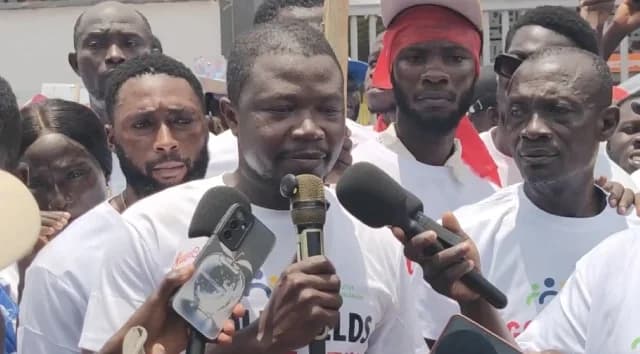
While religious leaders demand an end to illegal activities, hundreds of residents in the Tarkwa-Nsuaem Municipality took to the streets to support legal mining operations. Protesters called for the renewal of Gold Fields Ghana’s mining leases, which are set to expire in April 2027. Led by local figures such as Assembly Member John Nsoh, the demonstrators argued that Gold Fields has been a vital partner in infrastructure, healthcare, and education. They warned that failing to renew the lease could collapse the local economy and inadvertently drive more young people into the very illegal mining practices the clergy are decrying.
The human cost of the mining crisis was further highlighted by a tragic incident in Akyem Hemang, where personnel from the National Anti-Illegal Mining Operations Secretariat (NAIMOS) allegedly shot and killed a young man, Douglas Acheampong. The shooting occurred during a volatile confrontation where military officers accused an immigration official of being an informant. As the community reacted with outrage, the death of Acheampong has sparked calls for justice and underscored the dangerous environment surrounding enforcement efforts against illegal mining.
These combined developments illustrate a complex national crisis where economic survival, environmental preservation, and law enforcement frequently collide. As religious organizations prepare for further advocacy, the pressure remains on the government to provide sustainable employment alternatives for the youth and to demonstrate a clear, bipartisan strategy to protect Ghana’s natural resources. The synthesis of these events suggests that without addressing political complicity and ensuring the stability of legal mining sectors, the galamsey menace will continue to pose an existential threat to the nation.
Related topic
John Mahama: Latest News & Updates →Live rates
Ghana gold price →

