••
John Mahama urges technology transfer to boost local oil industry
•2 min read•3 sources
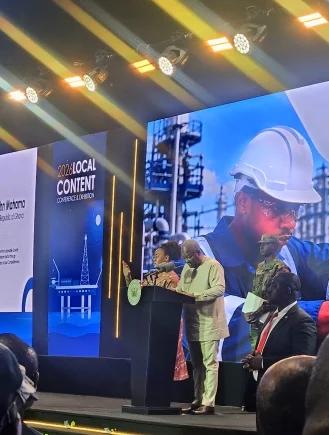
President John Mahama has called for a strategic shift toward technology transfer to ensure Ghanaian companies play a more significant role in the nation’s petroleum sector. Speaking at the 2026 Local Content Conference in Takoradi, the President emphasized that the future of Ghana's energy sector depends on the ability of indigenous firms to transition from basic service provision to executing complex technical contracts. He noted that while the industry has matured over two decades, the next phase of growth requires Ghanaian businesses to bridge the gap in technical expertise and operational capacity.
The President's remarks were supported by reports of significant local investments from major players like Tullow Ghana. However, Mahama acknowledged that persistent challenges, including high financing costs and limited access to specialized technology, continue to hinder the competitiveness of local enterprises. He highlighted ongoing government engagements with international oil companies as a vital pathway to resolve disputes and bolster investor confidence, which he described as essential for a predictable and sustainable energy environment.
Contributing to the discussion on sector efficiency, the Chief Executive of the National Petroleum Authority (NPA), Godwin Kudzo Tameklo, advocated for enhanced institutional coordination. Tameklo argued that clearly defined regulatory roles are necessary to eliminate duplicative functions and reduce uncertainty for investors across the petroleum and gas value chain. He maintained that a well-structured regulatory framework is the foundation for effective decision-making and collaborative growth between the state and private stakeholders.
From the private sector perspective, Eni Ghana Managing Director Federico Ricco reaffirmed his company’s commitment to local development, citing the success of the Offshore Cape Three Points (OCTP) project. Ricco revealed that 90% of Eni’s current workforce is Ghanaian and encouraged local firms to take on more technical roles in upcoming exploration activities. He further urged Ghanaian companies to look beyond domestic borders and expand their reach into the broader West African market to maximize their economic impact.
The conference concluded with a consensus that transforming local content policies into tangible economic benefits requires a collective effort. Stakeholders agreed that addressing the barriers to capital and technology is critical for the upstream sector's future. By aligning regulatory clarity with technical empowerment, the industry aims to ensure that Ghana’s natural resources serve as a primary driver for national industrialization and long-term prosperity.
graphic.com.gh
Primaryenergy and infrastructureGhana’s energy future still rests on local content
myjoyonline.com
energy and infrastructureNPA CEO calls for clearer regulatory roles to attract investment across petroleum value chain
myjoyonline.com
energy and infrastructureEni Ghana pledges more opportunities for local firms in upstream sector
Related topic
John Mahama: Latest News & Updates →

