••
Mahama Administration Intensifies Environmental Protection Through Kpeshie Lagoon Restoration and 'Operation Water Shield'
•3 min read•8 sources
The Government of Ghana has launched a multi-sectoral offensive to safeguard the nation’s natural resources, spearheaded by the ecological restoration of the Kpeshie Lagoon and a new national strategy against illegal mining. Deputy Chief of Staff Stan Xoese Dogbe has directed the Greater Accra Regional Coordinating Council, in collaboration with the Forestry Commission and the Environmental Protection Agency (EPA), to begin restoring reclaimed sections of the Kpeshie Lagoon. This directive follows a high-profile demolition exercise led by the Post-Flood Mitigating Task Force, which cleared illegal structures and beachfront businesses at Laboma Beach to restore natural water flow and enhance flood-retention capacity in Accra. While business owners have expressed frustration over significant financial losses, the La Traditional Council, led by La Shikitele Nii Adjei Koofeh IV, has urged the government to ensure the exercise is holistic, covering the entire Kpeshie enclave to prevent future encroachments.
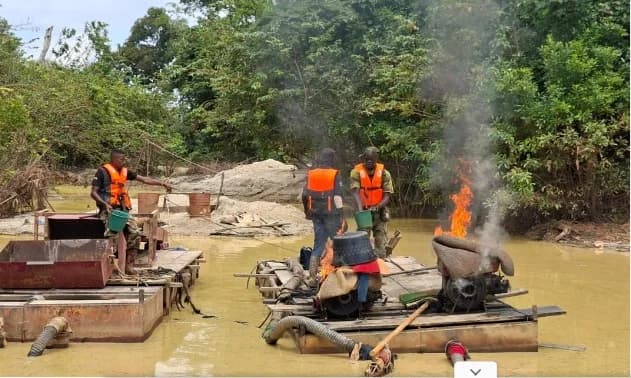
Simultaneously, the National Anti-Illegal Mining Operations Secretariat (NAIMOS) has shifted its strategy with the launch of 'Operation Water Shield.' Moving away from isolated raids, this intelligence-led campaign specifically targets the protection of the Birim, Ankobra, and Pra rivers. The operation aims to dismantle support networks for illegal miners and restore degraded water bodies. Strengthening this domestic effort, Lands and Natural Resources Minister Emmanuel Armah-Kofi Buah finalized an agreement with Chinese Deputy Minister Sun Shuxian during the 2026 China Mining Conference. This partnership focuses on ensuring Chinese nationals comply with Ghanaian mining laws, promoting green mining technology, and establishing a joint technical team to enforce responsible mining practices and environmental protection.
Beyond mining and coastal management, the government is also tightening regulations on other vital natural resources. The Ghana Shea Employers Association has voiced support for recent proposals to restrict raw shea nut exports, though they have advocated for a partial restriction of 20-30% rather than a total ban to protect the livelihoods of local women processors. On the judicial front, the Accra Circuit Court has demonstrated the state's zero-tolerance policy toward environmental degradation by remanding four individuals for illegal sand-winning activities near Amasaman. The accused are charged with conspiracy and unlawful damage to crops, with the prosecution citing CCTV footage and witness statements as evidence of their role in destroying local properties between 2024 and 2026.
These coordinated actions across the environmental, mining, and trade sectors signal a renewed commitment by the Mahama administration to prioritize ecological resilience and sustainable resource management. By combining physical enforcement, such as the Kpeshie demolitions and 'Operation Water Shield,' with international diplomatic cooperation and stricter trade policies, the government aims to mitigate the perennial threat of flooding and the long-term destruction of Ghana's water bodies. Moving forward, the success of these initiatives will depend on the sustained commitment of the technical teams and the ability of local authorities to prevent the return of illegal activities in protected zones.
