••
President John Mahama addresses US$1.46bn clean cooking funding gap at COP31
•2 min read•2 sources
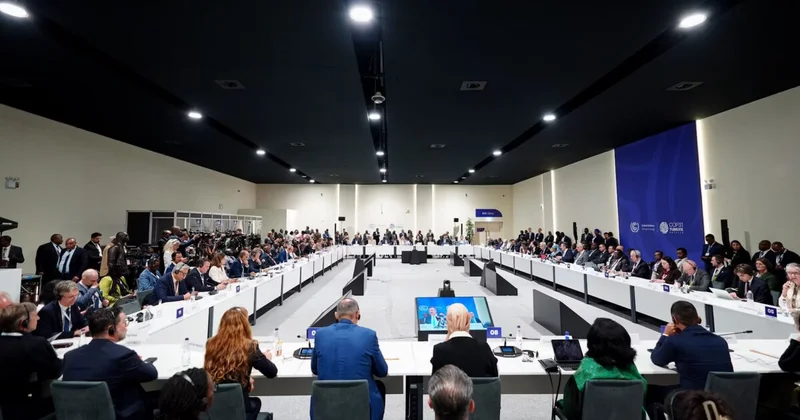
President John Mahama joined other African heads of state at the COP31 climate summit in Türkiye to call for the immediate release of pledged funds for clean cooking initiatives across the continent. During a high-level Leaders’ Roundtable, it was revealed that while international partners have pledged US$2.2 billion to improve cooking solutions in Africa, only US$740 million has been disbursed to date. This leaves a significant US$1.46 billion gap in funding that leaders say is critical for addressing urgent health and environmental challenges.
The roundtable, co-hosted by Tanzania, Türkiye, the International Energy Agency (IEA), and the Clean Cooking Alliance, emphasized the human cost of the current energy crisis. President Samia Suluhu Hassan of Tanzania noted that nearly one billion people in Africa currently lack access to clean cooking solutions. The reliance on traditional biomass fuels such as charcoal and wood contributes to severe respiratory health issues and accelerated deforestation. Leaders at the summit stressed that financial commitments made at international forums must transition into tangible actions on the ground to combat this crisis.
Several nations shared their domestic strategies and progress for bridging the energy gap during the discussions. Tanzania reported that it aims to increase clean cooking access to 35% by 2026 through focused government support. Uganda outlined ambitious targets, aiming for 50% access by 2030 and universal coverage by 2040. Meanwhile, Lesotho highlighted its efforts to integrate local stove production and specialized heating solutions into national energy planning. President Mahama underscored the importance of these initiatives and the necessity of reliable international financing to scale them effectively.
The session concluded with a call for more robust financial support systems to help African nations meet their sustainable development goals. Representatives from development funds and ambassadorial offices reiterated that the clean cooking crisis is not just an energy issue but a fundamental requirement for improving public health and gender equality. A follow-up gathering is scheduled for January 2027 in Nairobi, Kenya, where stakeholders will assess progress on the disbursement of the remaining US$1.46 billion in pledges and the implementation of national projects.
Related topic
John Mahama: Latest News & Updates →