••
President Mahama Eyes 18-Month Launch for New National Airline as Experts Highlight High Operational Costs
•3 min read•18 sources
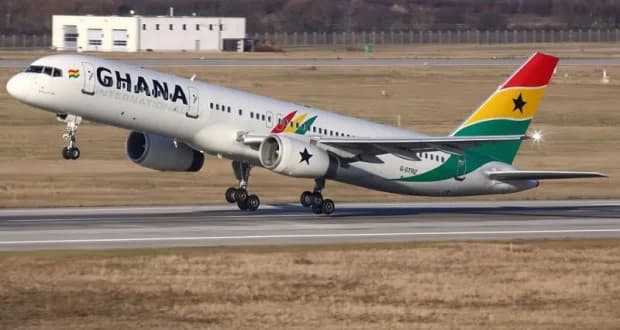
President John Mahama has initiated strategic discussions with global aerospace leader Boeing to re-establish a national airline for Ghana within a projected 18-month window. Following high-level talks during the UN General Assembly in New York, Boeing indicated that the timeline is achievable provided the Ghanaian government establishes the necessary legal and operational frameworks. President Mahama’s vision for the carrier extends beyond aircraft procurement, aiming to create a comprehensive aviation ecosystem that includes a regional Maintenance, Repair, and Overhaul (MRO) hub, specialized technical training for local workers, and significant technology transfer to position Ghana as a central aviation hub in West Africa.
While the government pursues this ambitious revival, economic experts warn that the existing aviation market faces severe structural challenges. Professor Peter Quartey, a leading economist, has identified high domestic airfares as a major deterrent to growth, citing a combination of excessive taxes, rising aviation fuel prices, and high borrowing costs. He noted that Ghana’s aviation market is significantly smaller than that of regional neighbors like Nigeria, which limits the economies of scale and competition necessary to drive down ticket prices. Furthermore, Appiah Kusi Adomako, Director of the West Africa Regional Center-CUTS, emphasized that the high cost of air travel is symptomatic of a broader economic trend in Ghana, where expensive accommodation and operational costs have made the country a costly destination for regional events.
Addressing these price concerns, the Ghana Civil Aviation Authority (GCAA) has expressed a commitment to facilitating new entrants into the market to stimulate competition and increase capacity. However, Director General Rev. Stephen Wilfred Arthur clarified that the GCAA will not compromise on safety or security standards. He noted that while more airlines are needed to lower fares, prospective operators must fulfill rigorous local and international certification requirements. This regulatory diligence is seen as essential to avoid the financial and operational pitfalls that led to the collapse of previous national carriers and many private startups across the continent.
The broader transport sector is also grappling with inflationary pressures, as evidenced by a recent 8% increase in road transport fares. The Ghana Road Transport Coordinated Council (GRTCC) reported that this adjustment has been further complicated by a shortage of coins in circulation, forcing some operators to round up fares beyond the approved rates. As President Mahama moves forward with the Boeing partnership, analysts suggest that the long-term viability of a new national airline will depend on the government’s ability to manage fiscal risks, reduce the tax burden on the industry, and develop a market that is accessible to a wider segment of the Ghanaian population.
Related topic
John Mahama: Latest News & Updates →
