••
Mahama Administration Accelerates 'Big Push' Infrastructure as 2027 Budget Hearings Conclude
•3 min read•30 sources
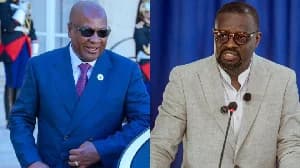
The government of President John Mahama has intensified its developmental agenda through the 'Big Push' road projects and the '24-Hour Economy' initiative, even as it navigates significant fiscal challenges and localized demands for accountability. Finance Minister Dr. Cassiel Ato Forson, concluding the 2027 budget hearings, emphasized that the upcoming financial plan prioritizes the interests of the Ghanaian populace. This commitment comes alongside a flurry of infrastructure activity, including the resumption of the 7.2-kilometre Tema-TOR road project and the 23-kilometre Dome-Kwabenya–Berekuso–Kitase road. Minister for Roads and Highways, Governs Kwame Agbodza, has taken a firm stance on these projects, warning that the government will not compensate individuals who have built illegal structures within road rights-of-way, stressing the need for legal adherence to ensure timely completion within the next 18 months.
While infrastructure expansion is evident in the sod-cutting for a 24-hour economy market in Shai Osudoku by Regional Minister Linda Ocloo, other projects face scrutiny. In Kintampo North, Bono East Regional Minister Francis Owusu Antwi has threatened to terminate the contract for a similar market project after a site visit revealed less than one percent of the work had been completed. This contrast in project delivery is mirrored by citizen-led demands for better services elsewhere; residents of Akuse recently staged demonstrations over deplorable road conditions affecting agriculture, while the NPP in Pusiga and residents in Golokuati have called for the completion of hospitals and the operationalization of long-abandoned electricity offices to make the government's economic policies meaningful at the local level.
On the security and governance front, the government is bolstering national resilience through international cooperation and equipment upgrades. The Ghana Immigration Service recently unveiled the ’SHIFT’ project, a €7.3 million EU-funded initiative aimed at harmonizing border management between Ghana and its neighbors to counter Sahelian security threats. Internally, Interior Minister Muntaka Mohammed-Mubarak handed over a fleet of vehicles and electric cars to the Ghana National Fire Service to improve emergency response times. Simultaneously, the government continues its crackdown on illegal mining, with recent joint operations by NAIMOS and GIISDEC resulting in the confiscation of 'galamsey' equipment along the River Ankobra in the Nzema East Municipality.
However, the administration faces mounting political and social pressure. The Ghana Women’s Movement has announced a 'Women’s Voices Matter' demonstration for late September 2026 to protest alleged intimidation and demand the full implementation of the Affirmative Action Act. In Parliament, Minority Leader Alexander Afenyo-Markin has criticized the governing NDC for what he termed 'hypocrisy' regarding political rhetoric, while environmental concerns have been raised by MP Frank Annoh-Dompreh over the government's waste management decisions at the Odaw River. These domestic tensions are further complicated by the revelation of a US$235 million financial liability stemming from the Teshie-Nungua Desalination Plant deal, highlighting the critical need for the rigorous oversight Dr. Ato Forson has promised for the 2027 fiscal year.
Related topic
Ghana Immigration Service Recruitment: Latest News →

