••
President Mahama's Administration Defends Economic Record as Bawumia and Kyerematen Outline Future Visions for Ghana
•3 min read•12 sources
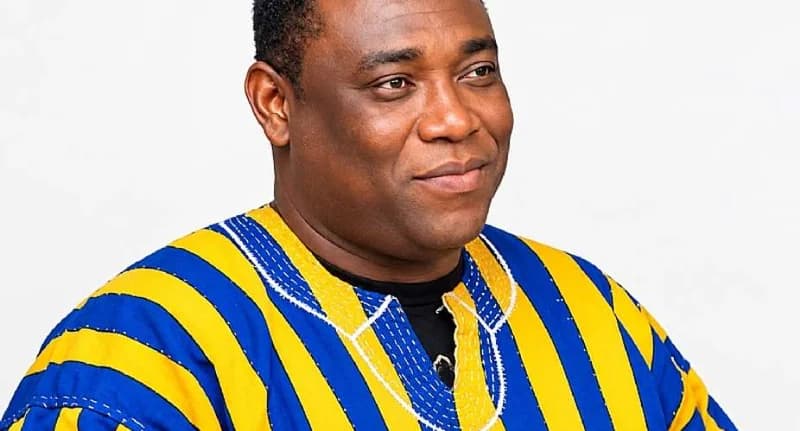
Since returning to the presidency in January 2025, John Dramani Mahama has focused his administration on a transformative agenda centered on infrastructure and economic stability. Nii Tetteh Laryea Cyril, Deputy Director of the Youth Employment Agency, recently defended the government's performance, urging critics to look at economic data rather than political rhetoric. He highlighted significant improvements in food inflation and currency stability, alongside the creation of over 86,000 jobs through state interventions. The administration is currently prioritizing several strategic projects, including the Accra-Kumasi Expressway, mining sector reforms to increase local participation, and the modernization of state-owned enterprises, which supporters view as a historic second chance for national development.
Simultaneously, the New Patriotic Party (NPP), led by its flagbearer Dr. Mahamudu Bawumia, has intensified stakeholder engagements to address systemic challenges. Dr. Bawumia recently met with the National Executive Committee of the Ghana Medical Association (GMA) to discuss critical issues such as health worker retention, the "brain drain" of medical professionals, and improved remuneration. Emphasizing the need for private sector participation and innovative policy shifts, Bawumia’s consultations aim to refine the NPP’s policy offerings ahead of future contests. Amidst these high-level political activities, former President Nana Akufo-Addo has maintained a public presence, recently joining the Odwira Festival in Akuapem to a warm reception from the local community.
Beyond the two dominant parties, Alan Kyerematen, leader of the United Party and the Movement for Change, is advocating for a “strategic choice” in the 2028 elections to break the long-standing NDC-NPP duopoly. Having contested the 2024 election as an independent candidate due to time constraints in forming a new party, Kyerematen argues that the current two-party system has failed to resolve persistent challenges in healthcare, electricity, and infrastructure over the last 34 years. Supporting the resilience of the nation's political structure, Andrew Appiah-Danquah, Director of Legal Affairs for the United Party, dismissed claims that the nation's democracy is under threat, asserting that sovereign power remains firmly with the people despite existing imperfections.
The political discourse has also been marked by calls for increased civility and a return to foundational visions. Samuel Koku Anyidoho, former Deputy General Secretary of the NDC, has publicly called on President Mahama to take responsibility for rising political insults, specifically citing derogatory remarks made by political commentators against former leaders. Meanwhile, Nana Yaa Jantuah has urged a renewed commitment to the industrialization and Pan-African vision of Dr. Kwame Nkrumah, arguing that Ghana must move beyond political freedom toward true economic independence. These domestic developments occur as the international landscape shifts, with Serbia’s President Aleksandar Vućić resigning amid protests and Zambia facing scrutiny over the arrest of Archbishop Alick Banda, reflecting broader global tensions regarding governance and dissent.
Related topic
NDC (National Democratic Congress): Latest News →

