••
Minister Mahama Ayariga Unveils Corporate Partnership Plan for Urban Street Redevelopment
•2 min read•2 sources
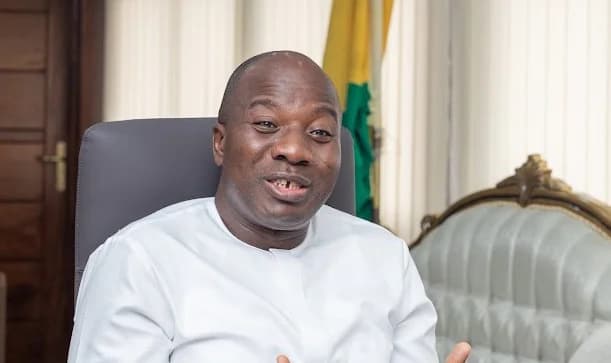
The Minister for Local Government, Chieftaincy and Religious Affairs, Mahama Ayariga, has announced a landmark initiative to assign major city streets to private businesses for comprehensive reconstruction, maintenance, and beautification. Speaking at the Government Accountability Series on October 5, 2026, Ayariga revealed that the program, directed by President John Mahama, aims to leverage the resources of corporate Ghana to enhance urban infrastructure across the country’s capital cities. Under this new public-private partnership, banks, construction firms, and insurance companies will take responsibility for the "cleaning, greening, and lighting" of specific thoroughfares.
A key feature of the initiative is the provision of branding opportunities and naming rights for participating companies. While existing street names will be preserved, businesses will be permitted to associate their names with the streets they manage and utilize advertising space along the routes. As a pilot example, the Minister cited a potential partnership where Access Bank would oversee the redevelopment and upkeep of the Obasanjo Highway. To facilitate this on a larger scale, the Ministry plans to meet with the Governor of the Bank of Ghana to mobilize the banking sector for widespread participation in the urban renewal effort.
Beyond street maintenance, the initiative aligns with a broader strategy by President John Mahama to revitalize inner-city infrastructure. This includes improving drainage systems, installing safety walkways, and expanding green spaces to ensure every neighborhood meets modern living standards. Funding for these extensive inner-city improvements is expected to be supported by a reconfigured property taxation regime and direct government support. Ayariga emphasized that the primary goal is to transform the aesthetic and functional quality of urban environments, creating safer and more pleasant spaces for residents and commuters.
The program is scheduled for an imminent rollout, with an initial report on the initiative’s strategy expected shortly. This collaborative model reflects the government's shift toward multi-sectoral partnerships to address infrastructure deficits. By involving the private sector in the day-to-day management of public assets, the government hopes to ensure the long-term sustainability and high-quality maintenance of Ghana's critical urban corridors.
Related topic
John Mahama: Latest News & Updates →
