••
Madina residents demand transparency in petroleum-revenue projects
•2 min read•1 source
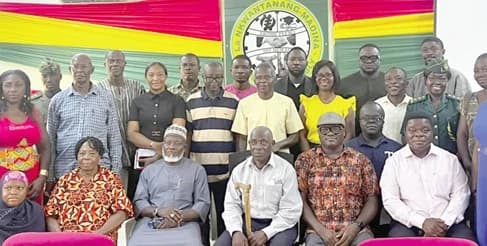
Residents of the La Nkwantanang-Madina Municipality have called for greater transparency and accountability in the management of projects funded by petroleum revenues. During a town hall meeting organized by the Public Interest and Accountability Committee (PIAC), community members expressed frustration over the lack of detailed information regarding project costs, timelines, and the identities of contractors responsible for local developments. The engagement served as a platform for citizens to scrutinize how oil wealth is being utilized at the grassroots level.
The concerns raised by the residents centered on several stalled or incomplete projects within the municipality. Participants highlighted that many initiatives are initiated without adequate community consultation, leading to a disconnect between the projects being executed and the actual needs of the district. Furthermore, the absence of transparency regarding contract details has made it difficult for local oversight bodies to hold contractors accountable for delays. This lack of engagement, according to the residents, often results in the disregard of district development plans during the project selection process.
Beyond local implementation issues, the meeting highlighted a significant shortfall in the allocation of petroleum revenues to the District Assemblies Common Fund (DACF). While legal frameworks mandate that 5% of petroleum revenues be allocated to the DACF, current figures show that allocations have fallen below 2%. Experts at the forum emphasized that this underfunding hampers the ability of municipal assemblies to execute critical infrastructure projects. PIAC and other stakeholders have called for stricter adherence to the law to ensure that oil revenues effectively support decentralized development across Ghana's municipalities.