••
Local Government Ministry integrates poverty index into DACF formula
•2 min read•4 sources
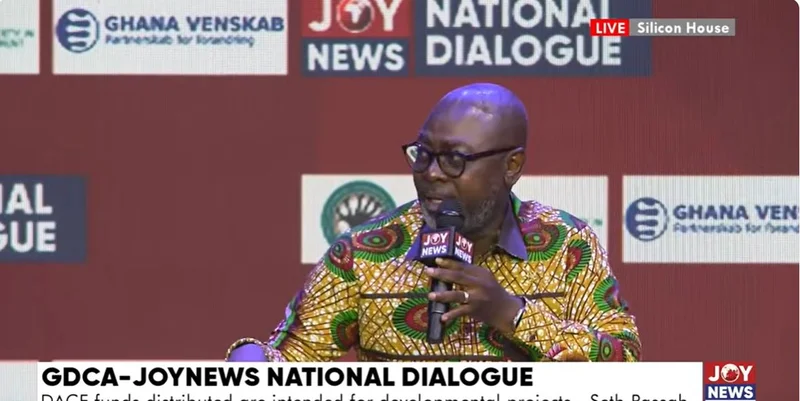
The Ministry of Local Government, Decentralisation and Rural Development has announced plans to integrate the Multidimensional Poverty Index (MPI) into the District Assemblies Common Fund (DACF) allocation formula. This policy shift, revealed during a national dialogue, is intended to move away from a uniform distribution model toward a more tailored approach to local development. By using data provided by the Ghana Statistical Service, the ministry aims to ensure that funding more accurately reflects the specific socioeconomic challenges and poverty levels of individual districts across the country.
Pln. Samuel Seth Passah, representing the ministry, emphasized that incorporating the MPI will allow the government to address district-specific challenges more effectively. The current constitutional requirement mandates that at least five percent of total national revenue be allocated to the DACF to support essential local services. The new formula will be supported by detailed frameworks designed to increase accountability while ensuring that assemblies in more deprived areas receive the resources necessary to close developmental gaps.
Prof. Lord Kwaku Mensah, the Head of the Local Government Service, noted that the DACF distribution formula is not static and remains subject to annual review. Speaking at a GDCA-JoyNews dialogue, he highlighted the significant disparities in internal revenue generation between urban and rural districts. He questioned whether more affluent assemblies should continue to receive the same level of support as those with limited financial capacity, advocating for a dynamic formula that adapts based on performance assessments and grassroots feedback to ensure equity.
While the new formula aims for better targeting, stakeholders have raised concerns about the overall volume and timing of the funds. Thomas Worlanyo Tsekpor, the Member of Parliament for Hohoe and a member of the Finance Committee, advocated for increasing the DACF allocation beyond the constitutional five percent minimum to meet the high demand for local development. However, he stressed the need for flexible but clear spending guidelines to prevent mismanagement. Additionally, the Ghana Developing Communities Association (GDCA) warned that irregular releases of the fund continue to delay critical infrastructure projects, particularly in vulnerable regions where the impact of funding gaps is most severe.
myjoyonline.com
PrimarypoliticsMultidimensional Poverty Index to inform next DACF formula – Local Gov't Ministry
myjoyonline.com
politicsHohoe MP backs higher DACF allocation but calls for flexible spending guidelines
myjoyonline.com
politicsDACF formula not cast in stone, subject to annual review – Prof. Lord Mensah
myjoyonline.com
politicsIrregular DACF releases delay district development projects – GDCA
