••
Link Community Development launches literacy programme in five districts
•2 min read•1 source
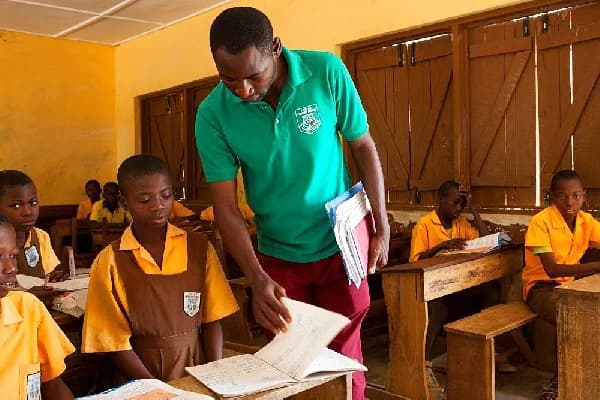
Link Community Development Ghana, in partnership with Teach2Teach International, has launched a new educational initiative to enhance foundational literacy and numeracy across five districts in the Northern and Savannah Regions. Known as the Teach2Teach Radio and Community Volunteer Teacher Programme, the project aims to improve reading and mathematics skills among public primary school pupils and marginalized learners. By focusing on essential learning milestones, the initiative seeks to bridge the educational gap in underserved communities through a multi-faceted approach involving interactive teaching and community participation.
The programme is currently being implemented in the Tolon, Kumbungu, Savelugu, and Nanton districts of the Northern Region, as well as West Gonja in the Savannah Region. To achieve its objectives, the initiative utilizes Community Volunteer Teachers who provide direct, supplementary support to pupils within public schools. These volunteers are trained in interactive teaching methods designed to make learning more engaging and effective for young children, particularly those who may have fallen behind in basic literacy and numeracy.
In addition to direct classroom intervention, the project employs radio broadcasts to expand its educational reach. These broadcasts facilitate pedagogical discussions and lessons that serve not only the targeted districts but also a wider audience, ensuring that quality educational content is accessible to learners in remote areas. This innovative use of media is intended to foster a broader culture of learning and to encourage parents and community members to take an active role in the educational progress of their children.
Supported by local education authorities, the Teach2Teach initiative represents a collaborative effort to address literacy challenges and improve educational access for marginalized groups in northern Ghana. Officials involved in the launch expressed optimism that the combination of volunteer support and technological outreach will yield significant improvements in student outcomes. As the programme continues, stakeholders anticipate it will provide a sustainable model for community-led educational interventions that can be scaled to other regions across the country.