••
Libya’s Dar al-Ifta issues fatwa against wearing Nike clothing
•2 min read•1 source
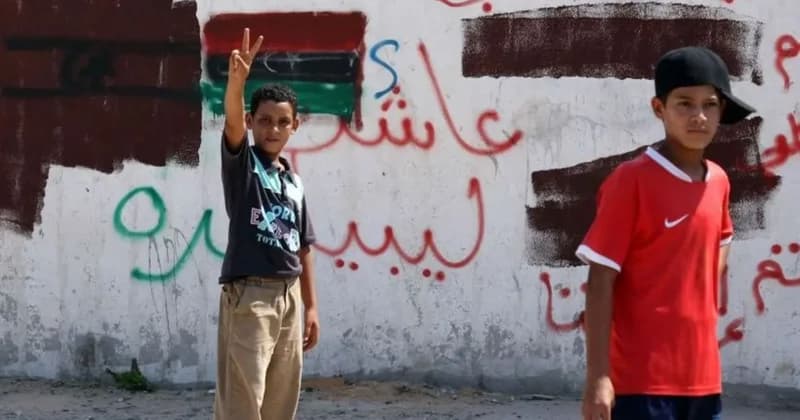
Libya’s highest religious authority, the Dar al-Ifta, has issued a formal fatwa prohibiting the purchase, sale, and wearing of apparel produced by the multinational sportswear brand Nike. The ruling, released by the Tripoli-based council, cites both religious and political grounds for the ban, specifically targeting the brand's name and its corporate affiliations. While the council holds significant spiritual authority in the country, the decree currently remains a religious guideline rather than a legally binding state law.
The primary theological objection raised by the Dar al-Ifta centers on the origin of the brand’s name and logo. The authority argues that Nike is named after the ancient Greek goddess of victory, which they contend promotes symbols and concepts associated with polytheism. By wearing the brand, the council suggests that Muslims are inadvertently associating themselves with symbols that conflict with monotheistic Islamic doctrine. This interpretation focuses on the perceived incompatibility between the brand's mythological roots and the religious principles of the state.
Beyond religious iconography, the fatwa also calls for a comprehensive boycott of the company due to its alleged support for Israel. The Dar al-Ifta accused Nike of backing Israeli interests during the ongoing conflict in the Gaza Strip. This move aligns the religious body with a broader regional movement in several Muslim-majority countries seeking to penalize Western corporations perceived to be providing financial or moral support to the Israeli government. The council urged Libyans to seek alternative brands that do not conflict with their religious or political values.
The announcement has sparked diverse reactions across Libyan social media, reflecting the tension between religious conservatism and modern consumer culture. While some citizens have expressed support for the council’s stance on the grounds of religious purity and solidarity with Palestinians, others have questioned the practical feasibility of such a ban in a globalized market. The development highlights the influential role of the Dar al-Ifta in shaping public discourse and social conduct in Libya's evolving public life.