••
Leo District 418 Ghana provides free eye screenings at Korle Bu
•2 min read•1 source
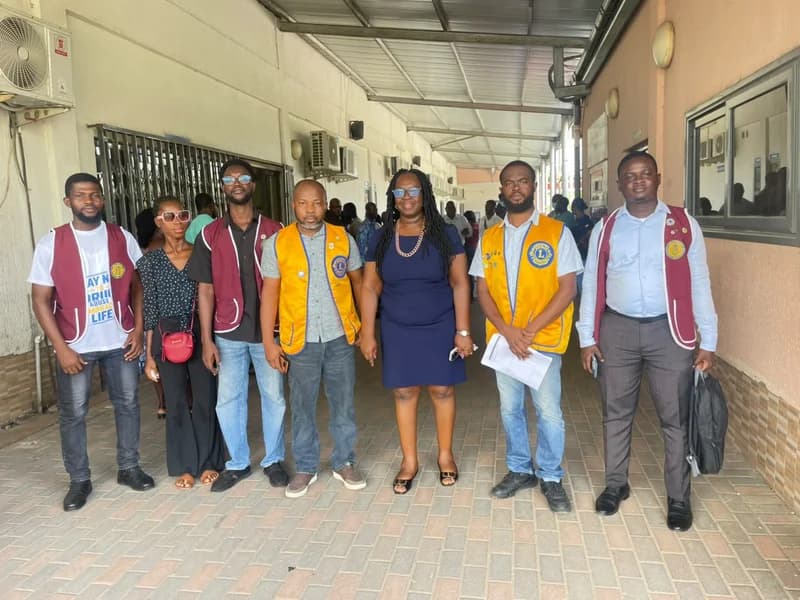
Leo District 418 Ghana of Lions International organized a major vision screening and awareness program at the Korle Bu Teaching Hospital to commemorate World Sight Day 2026. The event was designed to improve public awareness regarding ocular health and to provide immediate medical assistance to individuals in need. Participants received free vision assessments and spectacles, while medical experts offered guidance on maintaining long-term eye health and the importance of early diagnosis for degenerative conditions.
Mr. Jasmine Kekeli Cudjoe Sosu, a representative of Leo District 418, emphasized during the event that many cases of vision loss in Ghana are avoidable with timely intervention. He called for a concerted effort to expand eye-care services into underserved regions where access to specialists is often limited. By bringing these services directly to the public at Korle Bu, the organization aimed to demonstrate the tangible impact that regular screenings can have on community well-being and productivity.
Adding to the advocacy, Dr. Naa Naamuah Tagoe from the Lions International Eye Centre focused on the clinical necessity of professional eye care. She highlighted that conditions such as glaucoma often progress without early symptoms, making routine examinations vital, especially for those over the age of 30 or with a genetic predisposition to eye disorders. Dr. Tagoe also issued a stern warning against the risks of self-medication, noting that improper treatment with unprescribed drops or traditional remedies can exacerbate underlying conditions and lead to permanent damage.
The outreach program served as a reminder of the critical role that non-governmental organizations play in supporting Ghana’s healthcare system. As World Sight Day draws attention to global eye health issues, the efforts of Leo District 418 highlight the ongoing need for public-private partnerships to ensure that eye-care services remain affordable and accessible. The organizers concluded by urging Ghanaians to prioritize their vision as a central component of their overall health strategy to prevent avoidable blindness.

