••
Dr. Agnes Naa Momo Lartey Urges Early Detection as Ghana Records 2,695 Breast Cancer Deaths Annually
•3 min read•3 sources
Ghana has officially launched Breast Cancer Awareness Month with a sobering reminder of the disease's toll on the nation: approximately 5,000 cases are recorded annually, resulting in 2,695 deaths. Health officials and government leaders gathered in Ho to emphasize that the high mortality rate is largely driven by late-stage presentation. According to Dr. Mary Ann-Dadzie, a staggering 70% of patients only seek medical attention when the cancer has already reached an advanced stage, significantly complicating treatment efforts and reducing the chances of survival. The launch, spearheaded by Prof. Dr. Grace Ayensu-Danquah, aims to pivot the national conversation toward prevention, equitable access to treatment, and the critical importance of early action.
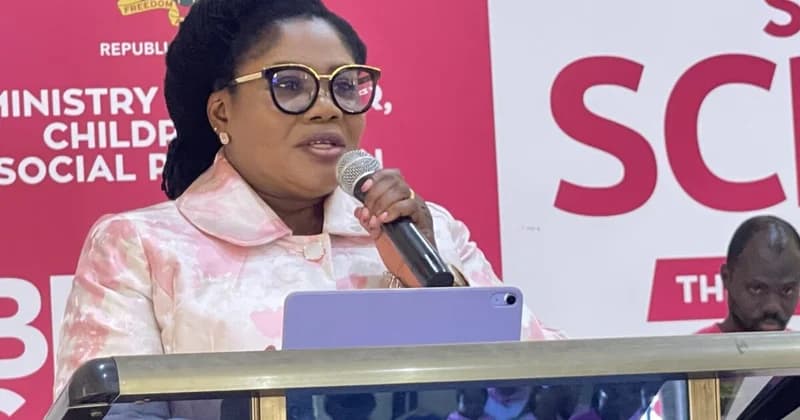
Speaking at the event, the Minister for Gender, Children and Social Protection, Dr. Agnes Naa Momo Lartey, stated emphatically that a breast cancer diagnosis is not a death sentence, provided it is caught and treated early. She urged women to prioritize regular screenings and warned against the dangerous trend of relying solely on traditional or spiritual remedies, which often leads to fatal delays in clinical care. The Minister also highlighted the profound socio-economic impacts of the disease, noting that the psychological and financial burdens—including travel costs and loss of income—often devastate families already struggling with the diagnosis.
To combat these challenges, the government is highlighting initiatives such as the Ghana Medical Trust Fund, designed to increase access to treatment for underprivileged patients who might otherwise be priced out of care. In the Volta Region, Minister James Gunu called for a collective effort to dismantle the stigma and myths that prevent women from seeking help. This push is complemented by a new breast cancer project in selected regions aimed at improving patient referrals and education. Health experts are advocating for a shift from one-off awareness campaigns to sustained, year-round education to ensure that every Ghanaian, particularly those in rural areas with limited access to mammography, understands the warning signs such as new lumps, changes in breast shape, and skin alterations.
Ultimately, the success of Ghana’s fight against breast cancer depends on a comprehensive healthcare system that offers seamless support from initial screening to final treatment. The World Health Organization (WHO) and local health authorities continue to stress that while breast cancer can affect both men and women, monitoring breast health and seeking professional medical advice at the first sign of an abnormality remains the most effective tool in saving lives. By integrating compassionate care with improved diagnostic infrastructure and public education, Ghana aims to reduce the annual death toll and ensure that no woman loses her life due to a lack of information or resources.

