••
Gender Minister and Roads Minister Lead Calls for Year-Round Breast Cancer Screening and Support
•3 min read•5 sources
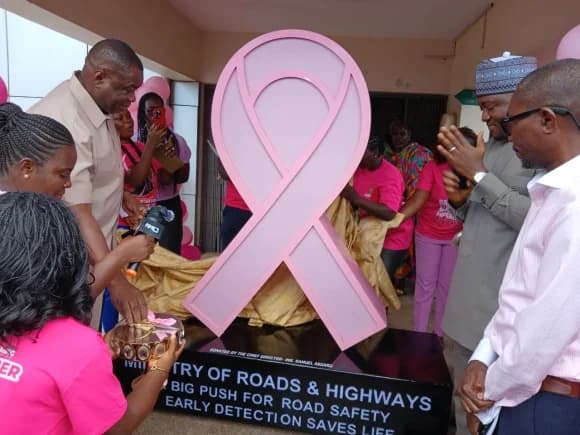
Ghana has launched its 2026 Breast Cancer Awareness Month with a powerful call from government officials and health experts to move beyond symbolic gestures toward proactive, year-round screening. Minister for Gender, Children and Social Protection, Dr. Agnes Naa Momo Lartey, and Minister for Roads and Highways, Governs Kwame Agbodza, led the advocacy, emphasizing that early detection remains the most effective tool against a disease that continues to claim lives across the country. Data from the Volta Region underscores the urgency of these calls, with 1,182 cases recorded over the past five years and 146 new cases and 10 deaths reported in 2026 alone.
Minister Agbodza, speaking at a ministry launch that featured the unveiling of a commemorative sculpture for resilience, shared a poignant personal account of losing his sister to the disease to underscore the importance of screening. He urged Ghanaians to move "beyond wearing pink" and prioritize regular medical check-ups and open discussions about health. This sentiment was echoed by Dr. Lartey, who advocated for a permanent shift in public consciousness where breast health is discussed throughout the year rather than just in October. She further highlighted the "MahamaCares" initiative as a vital pillar of support for patients, urging society to provide the emotional and financial backing necessary for those undergoing treatment.
A significant focus of this year’s campaign is the active involvement of men in what has traditionally been viewed primarily as a women’s health issue. Isaac Ashai Odamtten, Member of Parliament for Tema East, called on men to take a proactive role in monitoring the health of their partners and family members. Speaking at the International Maritime Hospital (IMaH) launch, Odamtten pledged to sponsor the Manhean Breast Cancer Month to provide community-level support. He emphasized that because breast cancer impacts entire families and communities, men must be allies in identifying unusual changes and encouraging early clinical interventions to dispel the fear and stigma often associated with the diagnosis.
Health professionals and regional leaders are also pushing for a dismantling of myths and cultural barriers that often delay treatment. Dr. Hedoria Awekeya of the Ghana Health Service noted that the rising case numbers in the Volta Region represent real lives that require urgent medical attention rather than spiritual or traditional alternatives. Volta Regional Minister James Gunu joined the call for collective action, advising residents to prioritize regular health screenings at established facilities. By combining government-led initiatives like "MahamaCares" with localized community efforts and male involvement, officials hope to significantly reduce mortality rates through a unified national front against the disease.

