••
The Lancet Public Health Study: Global Secondhand Smoke Exposure Persists for 2.7 Billion People
•2 min read•1 source
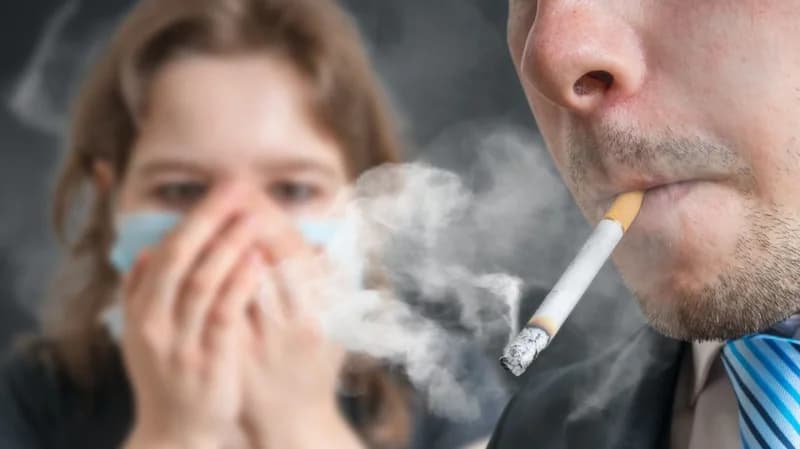
A comprehensive study published in The Lancet Public Health journal has revealed that nearly three billion people worldwide were exposed to secondhand smoke (SHS) in 2023. Despite a global decline in exposure rates since 1990, the absolute number of people affected has remained largely unchanged due to population growth. The data indicates that approximately 1.49 billion women and 767 million children under the age of 15 are currently living with the health risks associated with involuntary tobacco smoke inhalation, representing a global prevalence rate of 33.9%.
The health consequences of this exposure are severe, with SHS linked to an estimated 1.66 million deaths and 44.8 million disability-adjusted life years (DALYs) in 2023 alone. For adults, ischemic heart disease was identified as the primary contributor to health loss. Children are particularly vulnerable, bearing over 12% of the total health burden attributed to secondhand smoke, primarily through the development of lower respiratory infections. These figures underscore the critical role that passive smoking plays in premature mortality and long-term disability on a global scale.
Geographically, the burden of exposure is heavily concentrated in specific regions and nations. Southeast Asia, East Asia, and Oceania reported the highest prevalence rates, reaching as high as 48.4%. Notably, China, India, and Indonesia together account for nearly half of the world's exposed population. While many regions have seen improvements, sub-Saharan Africa presents a worrying trend, with the number of people exposed to secondhand smoke nearly doubling since 1990. North Africa and the Middle East also saw significant increases in exposure over the same period.
To address this persistent public health challenge, researchers and health advocates are calling for more robust tobacco control measures. The study emphasizes that while legislative progress has been made in some jurisdictions, comprehensive tobacco control and the promotion of voluntary smoking restrictions in private spaces are essential to protect vulnerable populations. Without intensified global efforts to curb smoking and limit exposure, the absolute number of individuals suffering from the effects of secondhand smoke is unlikely to diminish significantly in the coming years.