••
Lagos man dies during attempt to rescue toddler from well
•2 min read•1 source
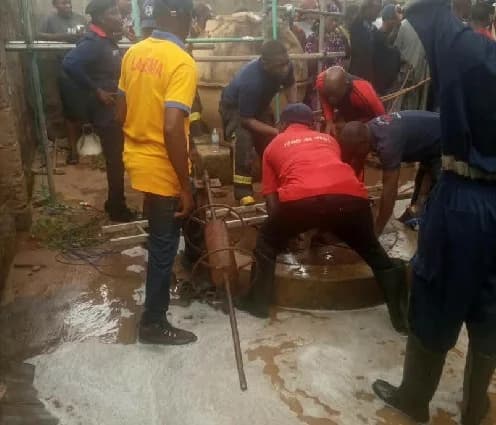
A tragic rescue attempt in Lagos State resulted in the death of a local man who tried to save a toddler who had fallen into a deep well on October 20. The incident, which has left the local community in mourning, prompted an immediate response from the Lagos State Emergency Management Agency (LASEMA) and other emergency services. Despite the bravery of the individual, both the rescuer and the child ultimately succumbed to the hazardous conditions within the well, highlighting the extreme dangers associated with unsecured water sources in residential areas.
Upon arriving at the scene, emergency responders discovered that the man had entered the well in a desperate bid to reach the child. However, he became trapped and lost his life during the process. While the man's remains were successfully retrieved and handed over to his family members for burial rites, the search for the toddler proved significantly more difficult. LASEMA officials reported that the rescue team faced severe obstacles, including exceptionally high water levels and a thick layer of mud at the bottom of the well, which made visibility and retrieval operations nearly impossible.
As of the latest reports, the body of the toddler remains unrecovered due to these challenging environmental factors. The specialized equipment and personnel deployed to the site were unable to safely navigate the depths of the well to locate the child's remains. This has left the family and the neighborhood in a state of prolonged distress as they wait for conditions to improve or for alternative recovery methods to be explored by the authorities.
In response to the tragedy, LASEMA has issued a stern warning to residents across Lagos State regarding the maintenance and safety of wells. The agency emphasized the importance of ensuring that all wells are properly covered and secured with reinforced lids to prevent such avoidable accidents. Furthermore, officials urged the public to refrain from attempting dangerous manual rescues and instead contact professional emergency services immediately when an incident occurs, as specialized tools and training are necessary to manage the risks involved in deep-well environments.