••
Nigerian Developer Shalom Rayhamen’s ‘Lagos Life’ Simulation Game Surges Past 670,000 Players
•2 min read•1 source
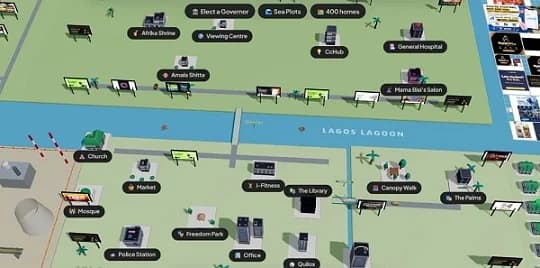
‘Lagos Life,’ a web-based simulation game developed by Nigerian creator Shalom Rayhamen, has rapidly ascended to the forefront of the regional gaming scene, attracting over 670,000 players since its debut in early October 2026. Designed to capture the unique essence of Nigeria’s largest city, the game offers a digital playground where users navigate the complexities of urban life, from managing finances to social networking. By translating the high-energy ‘hustle’ of Lagos into an accessible online experience, Rayhamen has tapped into a growing appetite for culturally relevant digital content among the continent’s tech-savvy youth.
The gameplay mechanics of ‘Lagos Life’ are deeply rooted in the socio-economic realities of the city. Players are introduced to the virtual world through randomized starting scenarios—either beginning with significant wealth or in a more precarious financial position—which fundamentally dictates their initial navigation strategies and survival tactics. This bifurcated approach allows players to experience the extremes of Lagosian society, punctuated by a soundtrack featuring local artists that enhances the immersive atmosphere. The simulation extends beyond mere economics, incorporating the cultural nuances and social dynamics that define the ‘Lagos experience,’ effectively turning everyday survival and success into a compelling gaming narrative.
Despite its rapid success, the platform has faced significant operational challenges, particularly concerning its internal economy. Shortly after launch, the developer had to address exploits involving the game’s virtual currency, which threatened to destabilize the balanced environment intended for players. Rayhamen and his team have since implemented technical fixes to curb these exploits and maintain a fair playing field for all participants. These growing pains reflect the broader challenges faced by independent developers in West Africa as they scale platforms to meet massive, unexpected demand.
Looking ahead, the success of ‘Lagos Life’ signals a significant shift in the African gaming industry toward hyper-local content that resonates with domestic audiences. By successfully digitizing the cultural identity of a major metropolis, the game serves as a blueprint for other developers across the continent to create experiences that reflect their own environments. As the developer continues to refine the simulation and address technical hurdles, ‘Lagos Life’ stands as a testament to the potential of niche, culturally-grounded gaming to compete with global mainstream titles in the regional market.
