••
Kweku Quansah warns Ghana may miss 2030 sanitation targets
•2 min read•1 source
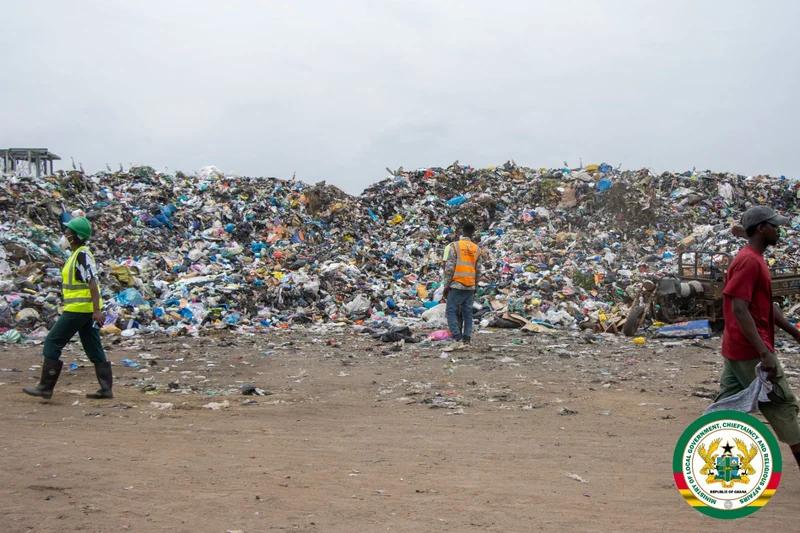
Kweku Quansah, a public health practitioner with the Environmental Health and Sanitation Directorate, has issued a warning regarding Ghana's progress toward Sustainable Development Goal (SDG) 6.2. Despite national efforts, Quansah notes that approximately 17.8% of the population still practices open defecation. With only 18.8% of Ghanaians having access to safely managed sanitation services as of 2024, the country faces a steep climb to achieve universal access to sanitation and hygiene by the 2030 deadline.
In a detailed assessment of the current crisis, Quansah argued that the traditional focus on simply constructing more toilets is an insufficient solution to a complex systemic problem. He highlighted that sanitation must be viewed as a comprehensive service system rather than a series of isolated infrastructure projects. This perspective shifts the focus from building hardware to maintaining a functional service chain, emphasizing the need to integrate sanitation into broader urban planning and to account for the growing impact of climate change on waste management infrastructure.
To bridge the gap, Quansah is advocating for a professionalized sanitation workforce and a more inclusive approach to service delivery. He emphasized that achieving the SDG targets requires a shift toward city-wide inclusive sanitation, which ensures that all residents—regardless of income or location—have access to safe waste management. This approach involves strengthening institutions to ensure accountability and professionalizing the sector to move away from informal, unregulated practices that often fail to manage human waste safely.
The path forward, according to Quansah, requires a combination of strong political commitment and sustainable financing models. He called for increased investment from both public and private sectors to build resilient systems that can withstand environmental pressures. Ultimately, the practitioner stressed that community involvement and institutional accountability are the pillars required to transform Ghana’s sanitation landscape and ensure the safe management of human waste for all citizens.