••
Kwame Nkrumah’s Vision Resonates Globally as Ghana Grapples with Monument Neglect and Institutional Growth
•2 min read•3 sources
As world leaders convene for the 81st United Nations General Assembly, the visionary ideals of Ghana’s founding President, Osagyefo Dr. Kwame Nkrumah, have once again emerged as a focal point for African diplomacy. Nkrumah’s advocacy for Pan-Africanism, economic sovereignty, and regional integration remains deeply relevant as the continent faces modern challenges of resource dependency and global inequality. During celebrations marking what would have been his 117th birthday, prominent figures including Matthew Opoku Prempeh urged Ghanaians to look beyond partisan divides to appreciate Nkrumah’s long-term national vision, emphasizing that his calls for self-determination are essential for a stronger African voice in global governance.
However, this international acclaim stands in stark contrast to the deteriorating state of domestic monuments dedicated to his memory. The iconic fountain at the Kwame Nkrumah Circle in Accra, once a vibrant symbol of national pride and a key urban landmark, has reportedly run dry and fallen into disrepair. Visitors have expressed profound disappointment over the site’s current condition, noting that broken tiles, stagnant debris, and general neglect have replaced the neat surroundings that once honored the late leader. This deterioration has sparked public concern that while Nkrumah’s legacy is celebrated on the world stage, the physical preservation of his history at home is being overlooked.
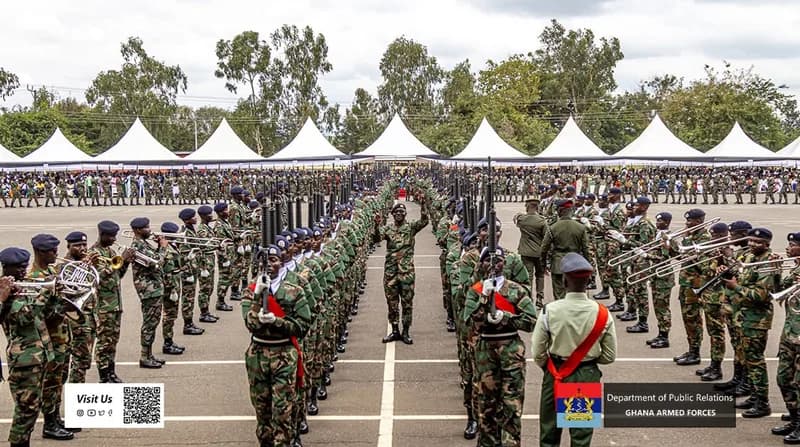
Amidst these reflections on national heritage and leadership, Ghana continues to strengthen its state institutions through the development of its security forces. At the Army Recruit Training School in the Shai-Osudoku District, 646 recruits recently passed out after completing the intensive six-month Basic Infantry Training Course 1-26 (BITC 1-26). Presiding over the graduation parade, Brigadier General Edward Awaribey emphasized the critical values of discipline, integrity, and continuous learning required for a modern military career. The ceremony highlighted individual excellence, with Recruit Ebenezer Akwasi Midorse named Overall Best Recruit and Kamina Company recognized as the top-performing unit.
The intersection of these events—the global relevance of founding ideals, the local decay of historical landmarks, and the graduation of a new generation of soldiers—paints a complex picture of contemporary Ghana. As the nation navigates its path under the administration of President John Mahama, the contrast between high-level diplomatic rhetoric and the practical realities of urban maintenance and institutional growth remains a central challenge. Reconciling the preservation of Nkrumah’s physical legacy with the country's forward-looking security and economic goals will be vital for maintaining Ghana's status as a leader in African development.
Related topic
John Mahama: Latest News & Updates →

