••
Special Prosecutor Names Former Power Minister Kwabena Donkor as Person of Interest in $1 Million Bribery Probe
•3 min read•33 sources
Special Prosecutor Kissi Agyebeng has announced a "rebirth" of the Office of the Special Prosecutor (OSP) following a landmark Supreme Court ruling that reaffirmed the institution’s constitutional authority. This revitalization coincides with the naming of five high-profile "persons of interest" in a bribery investigation involving former Tema Oil Refinery (TOR) MD Asante Kwaku Berko and Turkish energy firm Aksa Enerji. Among those named is former Power Minister Dr. Kwabena Donkor, alongside former advisors and officials from the Ministry of Power and Tricorp Group. The probe stems from Berko’s conviction in the United States for conspiring to pay over $1 million in bribes to Ghanaian officials between 2014 and 2015 to facilitate a power plant project. While Agyebeng clarified that being named a person of interest does not imply guilt, the OSP is working with the FBI to align U.S.-tested evidence with Ghana’s legal standards for potential prosecution.
The OSP’s move has sparked immediate political friction, with Dr. Donkor’s legal representative, K.T. Hammond, describing the public naming as "completely unprofessional" and a breach of proper investigative procedure. Despite this, Agyebeng defended his office’s track record, citing the recovery of GH₵8.5 million and $2 million, and state savings exceeding GH₵100 million through payroll cleanups. He specifically highlighted the OSP’s role in preventing the sale of the state-owned Tema Oil Refinery, which President John Mahama recently announced has resumed full operations. The Special Prosecutor urged critics to judge the office by measurable outcomes rather than political rhetoric, asserting that the institution has made corruption significantly more costly for both public and private actors.
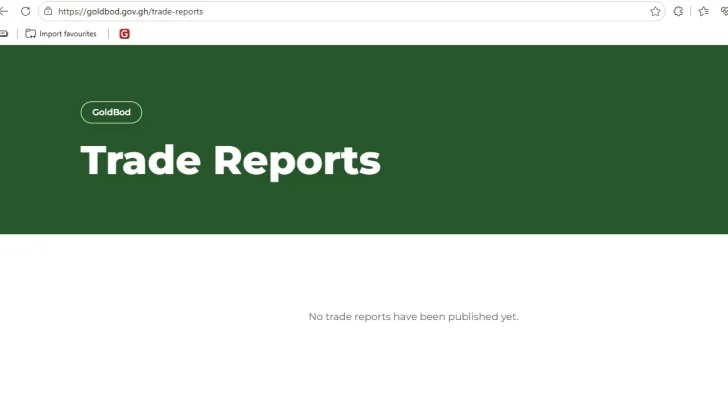
Simultaneously, the Ghana Gold Board (GoldBod) has come under intense scrutiny following an IMF report detailing US$1.7 billion in losses within the Domestic Gold Purchase Programme (DGPP). The Africa Policy Lens (APL) and the Institute of Economic Research and Public Policy (IERPP) are demanding forensic investigations and transparency regarding the removal of quarterly trade reports from the board’s website. While the NPP has criticized the government’s gold trading architecture, the Majority in Parliament has dismissed claims that GoldBod’s operations contribute to illegal mining (galamsey). Meanwhile, NPP communications officials have claimed that the Mahama administration's current economic stability relies heavily on the gold policies introduced by the previous administration’s Vice President, Dr. Mahamudu Bawumia.
These developments come as President Mahama continues to reshuffle his administration to sharpen its focus on national resilience. In a recent move, Ernest Brogya Genfi was reassigned from his post as Deputy Minister for Defence to serve as Presidential Advisor on National Resilience and Emergency Preparedness. As the OSP pursues its investigation into the energy sector bribery scandal and civil society groups push for accountability at GoldBod, the government faces a critical juncture in balancing its energy-hub ambitions with the need for transparent financial governance. The successful prosecution of the named persons of interest will likely serve as a litmus test for the OSP’s newly affirmed mandate and the administration's broader commitment to combating high-level corruption.
Related topic
NPP (New Patriotic Party): Latest News →Live rates
Ghana gold price →

