••
Kwabena Adu-Boahene seeks to strike "fabricated" evidence in NSB trial
•2 min read•2 sources
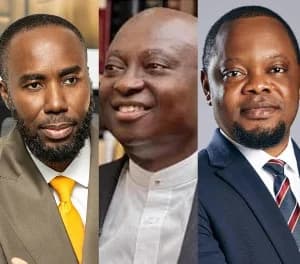
Lawyers for Kwabena Adu-Boahene, the former Director-General of the National Signals Bureau (NSB), have filed a formal application at the High Court to strike out specific portions of the prosecution’s written submissions. The defense team argues that the Deputy Attorney-General’s filings contain "fabricated" and "invented" evidence that does not align with the actual witness testimonies and records established during the trial. This motion marks a significant escalation in the legal battle surrounding the conduct of the former NSB head.
The defense motion specifically contests how the prosecution characterized witness testimonies and documentary evidence throughout the trial process. According to the legal team, the prosecution misrepresented statements made by key witnesses and attributed assertions to them that are not reflected in the official court transcripts. Furthermore, the defense alleges that the prosecution’s submissions rely on erroneous characterizations of various documents, including references to forged materials that were never properly established or admitted during testimonies.
This legal maneuver comes as the court prepares to consider a "submission of no case to answer" filed on behalf of the accused. Adu-Boahene's lawyers contend that the prosecution is attempting to ground its legal arguments in non-existent evidence to influence the court's decision at this critical stage. The application emphasizes the fundamental necessity for legal submissions to be strictly anchored in the evidence actually presented before the court to ensure a fair trial and an accurate judicial outcome.
The High Court's decision on this motion will determine whether the contested sections of the prosecution’s submissions remain part of the judicial record or are excised before the judge rules on the "no case" submission. By seeking to prevent reliance on these contested passages, the defense aims to ensure the case is decided solely on the merits of the evidence provided under oath. This development highlights the intensifying scrutiny over the integrity of the evidence presented by the state in high-profile corruption and administrative cases.

