••
Kpandai District Residents Rely on 'Signal Tree' Amid Chronic Mobile Connectivity Gaps
•2 min read•1 source
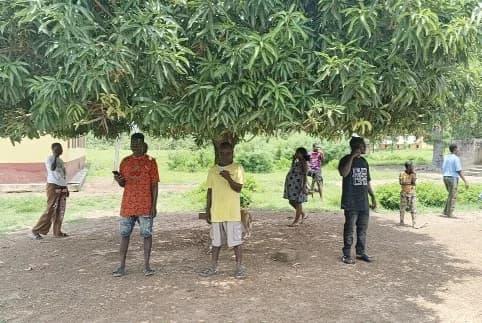
Residents of several communities in the Kpandai District, including Chakori, Bombare, Nanjuro, and Konjado, are grappling with a severe lack of mobile network connectivity that has left them digitally isolated. In a striking display of the digital divide, locals are often forced to congregate under a specific mango tree—the only spot where a weak, flickering signal can occasionally be found—to make phone calls or access the internet. This "signal tree" has become a central but frustrating hub for hundreds of people who find themselves disconnected from the rest of the country in an increasingly digital age.
The consequences of this connectivity crisis extend far beyond mere inconvenience, touching every facet of daily life including healthcare, education, and economic survival. Community members report frequent instances of missing crucial job opportunities because they were unreachable during business hours. More critically, the lack of a reliable signal severely hampers emergency responses; residents struggle to call for medical assistance or report urgent security matters, often leading to avoidable delays in life-saving interventions. For students and teachers, the digital blackout makes accessing modern educational resources almost impossible, further widening the developmental gap between rural and urban learners.
Addressing these concerns, the District Chief Executive (DCE) for Kpandai has acknowledged the significant hardships faced by these communities and the negative impact on local development. The local government has indicated that efforts are being made to address these coverage gaps through the Rural Telephony Project. This national initiative is designed to extend mobile and data services to remote regions across Ghana, potentially ending the reliance on makeshift signal spots. However, community leaders are calling for immediate action rather than long-term promises, emphasizing that the current situation is unsustainable.
As Ghana continues its push toward a digital-first economy under the current administration, the plight of Kpandai’s residents serves as a poignant reminder of the infrastructure gaps that persist in rural areas. Reliable mobile access is no longer a luxury but a fundamental tool for economic participation and civic safety. The successful rollout of the Rural Telephony Project in these specific corridors will be a critical test of the government's commitment to inclusive growth and ensuring that no community is left behind in the dark.
