••
Kpandai District Assembly Commissions Mechanised Water Systems to Boost Health in Rural Communities
•2 min read•1 source
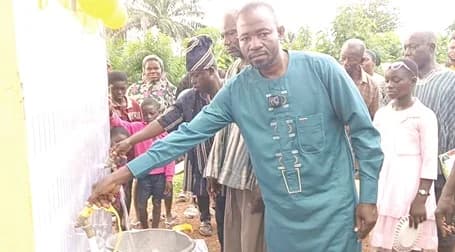
Residents of three rural communities in the Kpandai District—Lesseni, Kojobone, and Kabonwuli—now have access to safe and reliable drinking water following the completion of new mechanised water systems. This initiative, spearheaded by the Kpandai District Assembly, marks a critical milestone in the region's efforts to eliminate waterborne diseases and improve overall public health standards. For years, hundreds of residents in these areas have struggled with seasonal shortages and a dangerous reliance on unsafe water sources, a challenge this project aims to resolve permanently.
The construction of the facilities was executed by Koddeg Construction Ghana Limited, with work beginning in April and reaching completion in July. These mechanised systems are equipped with modern hybrid power sources, designed to ensure a consistent and sustainable supply of water regardless of local power fluctuations. By transitioning from traditional, often unreliable hand pumps or open-water sources to these technologically advanced systems, the district is providing a high-capacity infrastructure capable of meeting the daily needs of growing rural populations.
District Chief Executive (DCE) Haruna Abdul-Karim emphasized the vital link between potable water access and the district's broader economic growth. He noted that beyond the immediate benefits to health and sanitation, the availability of clean water is expected to bolster local farming activities and improve educational outcomes, as children will no longer be required to travel long distances or spend school hours searching for water. The DCE reiterated the assembly's commitment to ensuring better living conditions through strategic infrastructure investments that directly address the core needs of the people.
The successful rollout in Lesseni, Kojobone, and Kabonwuli is seen as a significant step forward in the Kpandai District’s long-term development agenda. As these communities begin to manage the new facilities, the assembly intends to focus on sustainability and regular maintenance to ensure the infrastructure remains functional for generations. This intervention serves as a vital case study in how targeted local government investment can transform public health outcomes in underserved rural areas.
