••
Kpandai Gari Processors Appeal for Factory Operationalization Amid Slumping Demand and Idle Infrastructure
•2 min read•2 sources
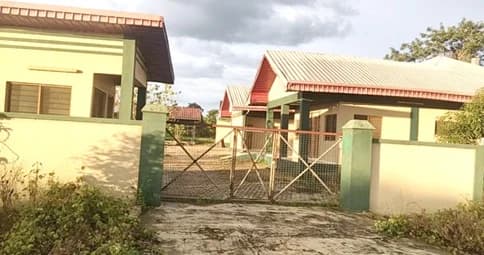
In the farming enclave of Balai, located in the Kpandai District, women gari processors are grappling with a significant economic downturn characterized by dwindling demand and plummeting market prices. Clara Kinyinkyde, a 29-year-old processor whose trade once successfully funded her education, now finds herself amidst a mounting surplus of unsold stock with no buyers in sight. This crisis has left many women in the region struggling to sustain their livelihoods, as the local gari market, which once provided a reliable income, now sees prices averaging approximately GH₵300 per bag—a rate significantly lower than in previous years despite rising production costs.
The frustration in the community is compounded by the presence of a non-operational Cassava Processing Factory, established under the government’s One District, One Factory (1D1F) initiative. Although intended to modernize production and provide a steady market for cassava farmers and processors, the facility remains idle due to technical challenges, most notably an inadequate power supply. For processors like Biyinke Elizabeth, the factory’s inactivity means continuing to rely on labor-intensive and manual methods. These traditional techniques not only limit production capacity but also expose the women to harsh working conditions and significant long-term health risks.
Current economic conditions have further exacerbated the situation, with rising fuel and labor costs clashing with stagnant or declining retail prices for processed gari. The processors are now calling on local authorities, government agencies, and private investors to prioritize the immediate operationalization of the Kpandai factory. They argue that a functional facility would provide the necessary infrastructure to add value to their produce and stabilize prices through better market integration and mechanized efficiency. The District Chief Executive has acknowledged the delays and stated that solutions are being sought to resolve the power issues, though a definitive opening date remains elusive.
As the women of Balai wait for a resolution, they remain hopeful that a turnaround in the trade will ease their financial burdens and improve rural livelihoods. Beyond the immediate need for factory equipment, the processors are advocating for the creation of 'ready markets' to ensure that their finished products can reach consumers beyond the district boundaries. Revitalizing the gari trade in Kpandai is seen as a critical step toward economic empowerment for rural women, ensuring that the agricultural potential of the region translates into sustainable prosperity for its residents.