••
Korle Bu Teaching Hospital records 15 neonatal deaths every month
•2 min read•1 source
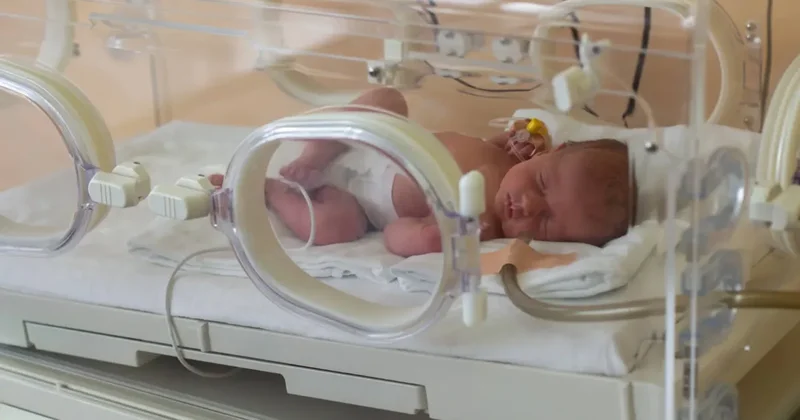
Korle Bu Teaching Hospital (KBTH) has revealed that its Neonatal Intensive Care Unit (NICU) records between 10 and 15 infant deaths every month, primarily due to a lack of essential medical equipment. Dr. Flora Boakye-Mensah, a specialist at the unit, disclosed these figures during an event marking World Prematurity Day. Out of approximately 180 babies admitted to the unit each month, a significant portion of premature infants succumb to complications that could be managed with more robust healthcare resources. The deaths highlight a critical gap in the capacity of the country's premier teaching hospital to care for its most vulnerable patients.
The primary driver behind these fatalities is a severe shortage of life-saving technology necessary for newborn care. Dr. Boakye-Mensah specifically identified the scarcity of Continuous Positive Airway Pressure (CPAP) machines as a critical issue. These machines are vital for supporting the breathing of premature babies whose lungs are not yet fully developed. In the absence of sufficient equipment, healthcare providers are often unable to provide the level of intervention required to save lives, prompting calls for urgent government and private sector investment in neonatal infrastructure to bridge the current deficit.
Financial barriers also contribute significantly to the mortality rate at the unit. Many essential neonatal medications are currently not covered by the National Health Insurance Scheme (NHIS), forcing families to pay out-of-pocket for expensive treatments. This financial strain often leads to delays in care that can be fatal for fragile newborns. Joyce Odarley Lamptey, speaking at the event, stressed that while equipment is vital, preventative measures such as regular antenatal check-ups are equally important for detecting complications early and reducing the incidence of preterm births.
The situation at Korle Bu highlights the need for a comprehensive policy shift regarding neonatal health in Ghana. Medical professionals are advocating for the expansion of NHIS coverage to include specialized medications and the modernization of NICU facilities across the country. As stakeholders work to raise awareness about the challenges of preterm birth, the consensus remains that a combination of improved equipment, financial accessibility, and better prenatal education is essential to reducing neonatal mortality rates.


