••
Kojo Bamba’s Election as NPP First Vice Chairman Sparks Debate over Party Direction and Youth Empowerment
•3 min read•14 sources
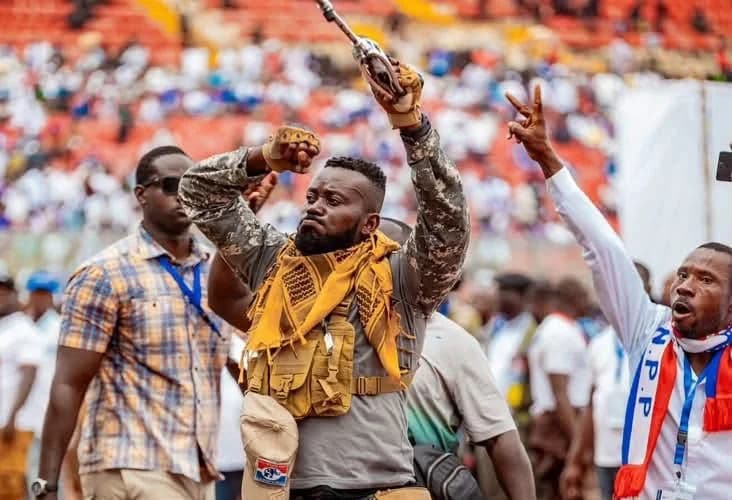
Kojo Fosu Boadu, popularly known as Kojo Bamba, has secured a surprising victory as the First National Vice Chairman of the New Patriotic Party (NPP) following the party's National Delegates Conference in Kumasi. Polling 3,116 votes, Bamba outperformed a competitive field of 12 other contestants, including high-profile figures such as former National Organiser Henry Nana Boakye, who took the second position, and Nana Akomea, who placed third. This result has been characterized by political observers and academics as a significant shift in the party’s internal dynamics, signaling a move from the traditional emphasis on intellectualism toward a leadership style more deeply rooted in grassroots mobilization and tactical organization.
The election has reignited intense discussions regarding the NPP’s historical ties to political vigilantism, given Bamba’s past leadership of the controversial Delta Force group. Mustapha Gbande, Deputy General Secretary of the National Democratic Congress (NDC), criticized the move as "backward politics" that could project a mindset of violence. However, NPP stalwarts have robustly defended the delegates' choice. Professor Mike Ocquaye emphasized the necessity of protecting party votes, arguing that Bamba’s election is a strategic response to ensure election security rather than a return to vigilantism. Similarly, NPP Communications Director Dennis Miracles Aboagye praised Bamba’s political experience, asserting that leadership should be inclusive of individuals from diverse backgrounds, not just the academic elite.
This shift in leadership philosophy—frequently described by commentators as a choice between "muscle and might"—has divided opinion among the intelligentsia. Professor Smart Sarpong of Kumasi Technical University noted the victory was a significant surprise, while Professor Dr. Ochtere Addai Mensah argued that political positions should not be judged solely by academic credentials, comparing party leadership to a diverse university faculty. Meanwhile, Nana Akomea dismissed rumors of an internal arrangement to swap vice-chairmanship positions, clarifying that his third-place finish was a direct result of the delegate vote and that he fully supports the new executive lineup.
Looking ahead to the 2028 general elections, Bamba has pledged to use his new role to champion the aspirations of Ghana’s youth. In his post-election statements, he emphasized that the NPP’s return to power is essential for creating developmental opportunities for the younger generation, warning that a failure to regain governance would stifle their prospects. By positioning himself as a "voice for the youth," Bamba aims to bridge the gap between the party’s executive branch and its grassroots base. As the NPP prepares to navigate its role during the administration of President John Mahama, the impact of this new leadership direction on the party's image and its approach to national security remains a focal point of Ghanaian political discourse.
Related topic
NDC (National Democratic Congress): Latest News →

