••
Kofi Agyarko urges African nations to harmonise cooling standards
•2 min read•1 source
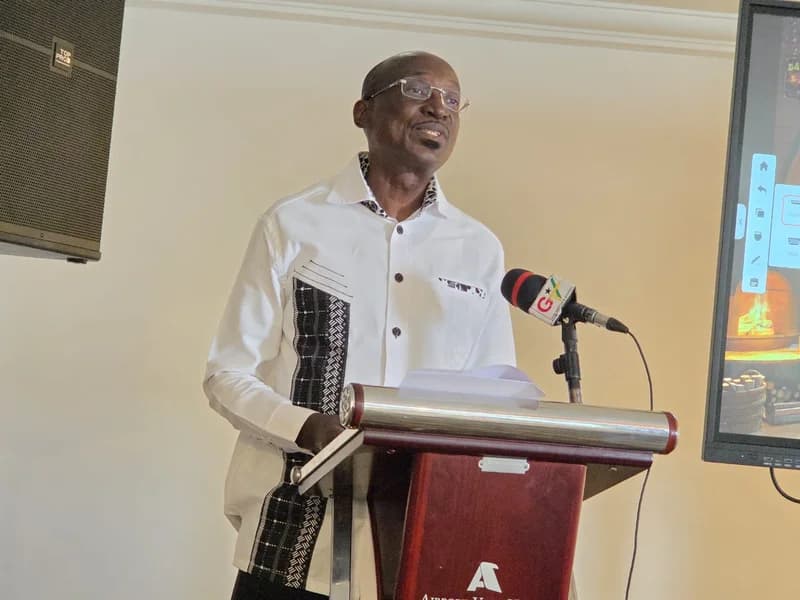
Kofi Agyarko, the Chief Executive Officer of the Center for Sustainable Resource Technology and Accessibility (CSRTA), has called on African nations to unify their regulations and standards for cooling appliances. Speaking at a sustainable cooling conference in Accra, Agyarko emphasized that harmonising these standards is essential to bolstering energy security across the continent. He warned that without a collective regulatory framework, Africa risks becoming a dumping ground for outdated, energy-inefficient technology that could undermine national power grids and increase the energy burden on citizens.
During his address, Agyarko highlighted Ghana's proactive stance and leadership in energy efficiency efforts, noting that the country's policies serve as a model for the region. However, he stressed that the long-term success of such measures depends heavily on regional cooperation. He explained that disparate standards across borders make it easier for manufacturers to export sub-standard cooling units to countries with weaker regulations, which ultimately compromises the energy security of the entire African continent.
Support for this harmonisation effort was echoed by international partners attending the event. Readlay Makaliki, representing the United Nations Industrial Development Organization (UNIDO), detailed ongoing initiatives aimed at promoting energy-efficient practices. Similarly, Hyacinth Elayo from the ECOWAS Centre for Renewable Energy and Energy Efficiency (ECREEE) underscored the necessity of significant financial investment in the energy sector. Elayo argued that improving electricity access and supporting industrial growth requires both high-quality infrastructure and strict adherence to appliance standards.
The conference concluded with a call to develop robust strategies for engaging global manufacturers to ensure they uphold high standards for products sold in African markets. Stakeholders are expected to advance these discussions at the upcoming China-Africa Standardization Conference in November. This next phase of dialogue will focus on practical implementation and technical alignment to ensure that cooling technologies imported into Africa meet modern environmental and efficiency requirements.


