••
KNUST TIDEKIT Study Warns of Rapid Coastal Erosion and Saltwater Intrusion Threatening Eastern Ghana
•2 min read•1 source
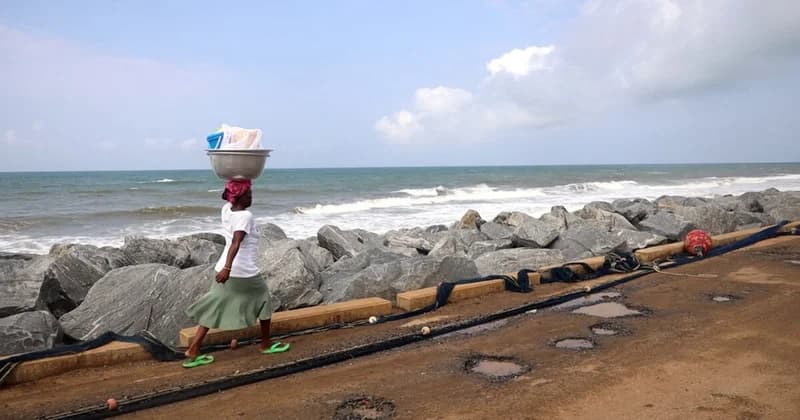
A comprehensive three-year study led by researchers at the Kwame Nkrumah University of Science and Technology (KNUST) has sounded an alarm over the accelerating rate of coastal erosion and saltwater intrusion along Ghana’s eastern coastline. Conducted under the TIDEKIT project, the research highlights a devastating loss of land, with some areas receding by more than 103 metres during the study period. The findings underscore a growing environmental crisis that threatens the livelihoods and safety of numerous coastal communities, particularly those near Keta and the Volta Estuary, where the sea is advancing at an unprecedented pace. The study further warns that while some areas benefit from sea defence structures, these interventions may be shifting the environmental threats to adjacent, unprotected communities. The data collected reveals that erosion rates have reached a staggering 30.5 metres per year in specific zones near the Volta Estuary. Beyond the physical loss of land, the study identifies a significant threat to freshwater resources; seawater intrusion has been detected as far as 1.3 kilometres inland, contaminating vital groundwater supplies. This chemical shift in the water table poses a direct threat to agriculture and domestic water security, compounding the challenges faced by residents already grappling with increased tidal flooding and the physical encroachment of the sea. Dr. Cyril D. Boateng and the research team are calling for an immediate shift from reactive disaster management to proactive, data-driven environmental strategies. The study emphasizes the urgent need for a robust national coastal monitoring system and the establishment of real-time early warning mechanisms for vulnerable communities. Such systems would allow for better disaster preparedness and resilience, provided there is a concerted effort to invest in local technologies and predictive modeling. To effectively mitigate these risks, the researchers stress the importance of inter-agency collaboration. They urge the National Disaster Management Organisation (NADMO), the Ghana Meteorological Agency (GMet), and the Environmental Protection Agency (EPA) to work together to implement the study's recommendations. By fostering a unified approach to coastal management, Ghana can better protect its shoreline and ensure the long-term sustainability of communities currently caught in the path of the advancing ocean.